News and Updates
Amco Pest Solutions is excited to announce our latest News and Updates section, where we bring you the most recent advancements and happenings in the world of pest control. Stay informed with our regular updates, featuring innovative pest management techniques, new service offerings, and community involvement initiatives. Our commitment to environmentally friendly solutions and customer education remains a top priority. Discover tips, tricks, and insights from our team of experts, ensuring you’re always a step ahead in pest prevention and control. Stay tuned for our latest news and don’t let pests bug you anymore!
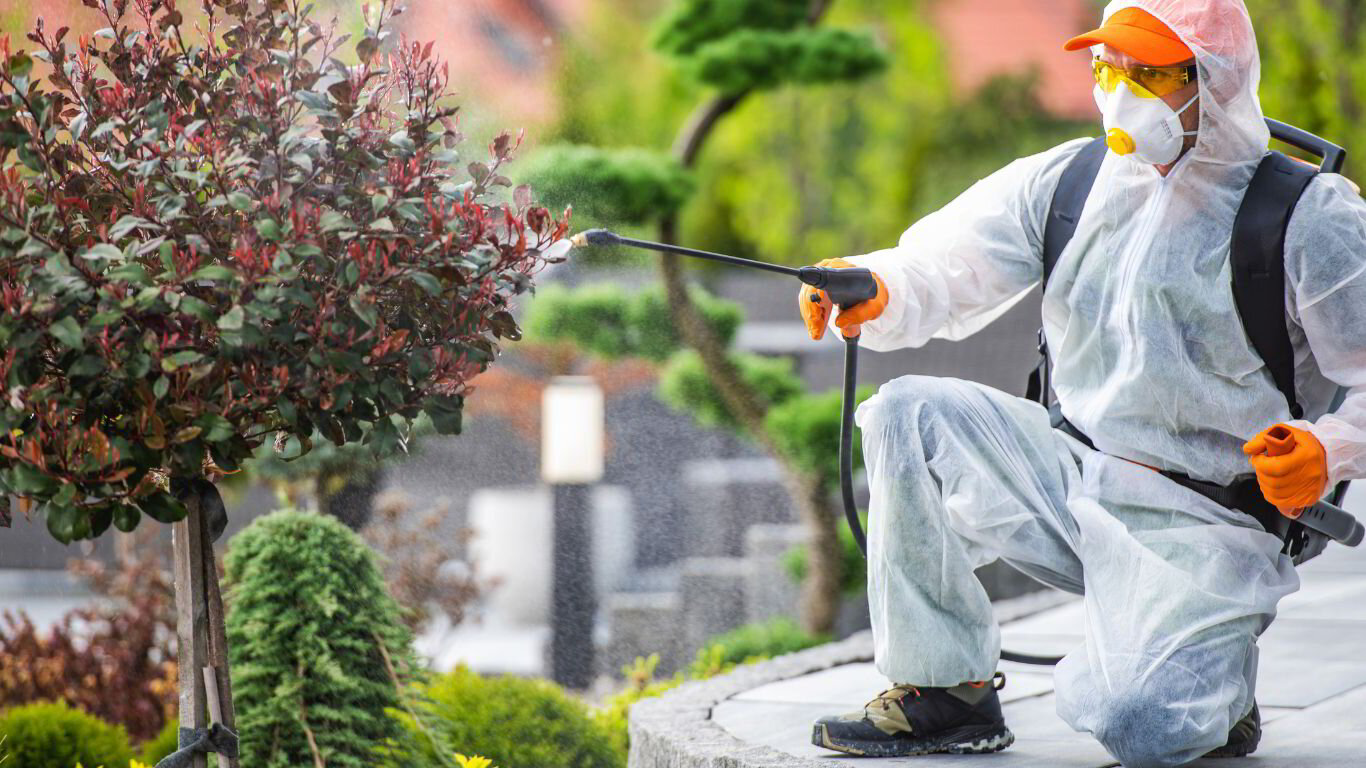
Did you know that traditional pest control methods can pose risks to your health and the
environment? Eco-friendly pest control solutions are increasingly gaining popularity as
sustainable alternatives that prioritize safety and effectiveness. These methods not only target
unwanted pests but also consider the well-being of beneficial insects, your family, and your pets.
As homeowners become more aware of the potential dangers associated with chemical
pesticides, the shift toward eco-friendly practices is more important than ever. This blog post will
explore various eco-friendly pest control solutions, offering practical tips and insights to help you
manage pest issues while safeguarding the environment.
Understanding Eco-Friendly Pest Control Solutions
What are Eco-Friendly Pest Control Solutions?
Eco-friendly pest control solutions refer to methods and practices that prioritize the health of the
environment and minimize the use of toxic chemicals. These solutions focus on sustainable
techniques that not only address pest infestations but also protect beneficial organisms and
human health.
Importance of Choosing Eco-Friendly Methods
Choosing eco-friendly pest control is crucial for several reasons:
- Health Benefits: Chemical pesticides can pose significant health risks to humans and
pets. Eco-friendly alternatives typically use natural ingredients that are safer.
- Environmental Protection: Traditional pest control methods can lead to soil and water
contamination. Eco-friendly solutions help protect ecosystems.
- Sustainable Practices: Many eco-friendly pest control methods promote biodiversity and
sustainability, ensuring that natural predator-prey relationships are maintained.
Common Natural Pest Control Methods
Essential Oils as Pest Repellents
Essential oils, such as peppermint, citronella, and tea tree oil, can ward off various pests. They
work effectively against insects like ants, spiders, and mosquitoes.
Diatomaceous Earth: A Natural Insecticide
This powdery substance, derived from fossilized algae, can be sprinkled in areas where pests
frequent. It’s a mechanical insecticide that dehydrates insects, making it a popular eco-friendly
choice.
Soap and Water Solutions
A simple mixture of soap and water can eliminate certain pests. This solution works by
suffocating insects such as aphids and spider mites.
- Integrated Pest Management (IPM)
- Principles of IPM
Integrated Pest Management is a comprehensive approach combining various eco-friendly pest
control solutions:
- Prevention: Focus on proactive measures to keep pests at bay.
- Monitoring: Regularly inspect for signs of infestation to catch problems early.
- Control: Use eco-friendly methods to manage any identified pests.
How IPM Incorporates Eco-Friendly Solutions
IPM emphasizes the use of non-chemical methods first, such as habitat modification and
biological controls, before turning to pesticides as a last resort.
For more detailed information about sustainable pest control practices, you can visit Terminix.
Preventative Measures for Eco-Friendly Pest Control
Keeping a Clean Environment
One of the most effective ways to prevent pest infestations is by maintaining a clean home.
Simple habits can go a long way in deterring pests:
- Regular Vacuuming: Clean up crumbs and spills promptly to avoid attracting insects.
- Proper Food Storage: Use airtight containers to store food and dispose of trash
regularly.
- Decluttering: Reduce clutter that can serve as hiding spots for pests.
Sealing Entry Points
Inspect your home for potential entry points that pests can exploit:
- Cracks and Gaps: Use caulking or weather stripping to seal cracks in doors, windows,
and walls.
- Vents and Chimneys: Install screens over vents and caps on chimneys to prevent
wildlife entry.
- Foundation: Check the foundation for gaps and fill them appropriately.
Landscaping Techniques to Deter Pests
Your yard can be your first line of defense against pests. Consider these landscaping strategies:
- Native Plants: Use native plants that naturally repel pests and attract beneficial insects.
- Mulching: Organic mulch can help keep soil moisture while deter certain insect pests.
- Water Drainage: Ensure proper drainage to prevent standing water that attracts
mosquitoes.
By implementing these eco-friendly pest control solutions, you not only promote a healthier
home environment but also contribute to a sustainable ecosystem. For additional information on
how you can prevent pest problems naturally, visit Orkin.
Eco-Friendly Wildlife Control
Humanely Deterring Wildlife
When it comes to wildlife control, eco-friendly solutions focus on humane methods that respect
animal welfare. Here are effective strategies:
- Repellents: Natural repellents, such as predator urine or citrus peels, can deter deer and
other wildlife from your property.
- Motion-Activated Devices: Ultrasonic repellers or motion-activated lights can scare
away animals without causing them harm.
- Physical Barriers: Installing fences or using netting can keep wildlife out of gardens and
backyards.
Safe Relocation Practices
If wildlife has already taken up residence in your home or yard, safe relocation methods are essential:
- Capture and Release: Use humane traps to capture wildlife and release them in an
appropriate area far from your home.
- Professional Help: Consider hiring a wildlife control expert who specializes in
eco-friendly pest control solutions to ensure safe and effective removal.
- Follow Local Regulations: Always check local laws regarding wildlife relocation to
ensure compliance.
Utilizing these eco-friendly wildlife control solutions not only helps protect the animals but also
your home environment. For more tips on how to manage unwanted wildlife without harm, visit
The Benefits of Eco-Friendly Pest Control
Health Benefits for Your Family and Pets
Utilizing eco-friendly pest control solutions offers significant health advantages for both
household members and pets. Non-toxic alternatives help:
- Reduce Allergens: Conventional pesticides can trigger allergies and asthma; eco-friendly
methods minimize these risks.
- Enhance Indoor Air Quality: Natural solutions do not emit harmful chemicals,
contributing to a healthier indoor environment.
- Protect Pet Safety: Many traditional pest control products are hazardous to pets.
Eco-friendly options provide safer alternatives.
Environmental Impact
Opting for eco-friendly pest control is also a smart choice for the planet. Here’s how:
- Preservation of Beneficial Species: Non-toxic pesticides protect pollinators, such as
bees and butterflies, which are essential for a healthy ecosystem.
- Soil and Water Protection: Eco-friendly methods do not leach harmful chemicals into the
soil or water systems, helping to maintain ecosystem balance.
- Sustainable Practices: Many eco-friendly strategies promote biodiversity, supporting a
more robust environment for all species.
Long-term Cost-Effectiveness
Investing in eco-friendly pest control can save money in the long run:
- Preventative Measures: By focusing on prevention and maintenance, costly infestations
can be avoided altogether.
- Durability: Eco-friendly methods often involve durable solutions, such as physical
barriers and habitat modifications, that provide lasting protection.
- Reduced Chemical Dependence: As you establish sustainable practices, you’ll decrease
your reliance on expensive chemical treatments over time.
Making the switch to eco-friendly pest control solutions not only benefits your home and family
but also promotes a healthier planet. For more insights on eco-conscious pest management,
visit Rentokil.
Choosing the Right Eco-Friendly Pest Control Provider
What to Look For in a Pest Control Service
When searching for a pest control service that specializes in eco-friendly pest control solutions,
it’s essential to consider several factors to ensure you receive quality service. Look for:
- Certifications and Experience: Ensure the provider is certified in eco-friendly practices
and has experience in the field.
- Transparent Methods: A reputable company should openly share the eco-friendly
methods they use, allowing you to understand their approach.
- Positive Reviews and Recommendations: Research customer testimonials and seek
referrals to gauge the provider’s effectiveness and reliability.
Questions to Ask About Eco-Friendly Practices
Before committing to a pest control service, it’s crucial to ask the right questions to clarify their
processes:
What eco-friendly products do you use?
Ensure that the products are safe for the environment and non-toxic to humans and pets.
How do you tailor your pest control approach?
Understand how they adapt their strategies based on your specific pest problems and living conditions.
Can you provide a plan for prevention?
A good provider should also offer advice on how to prevent future infestations using
eco-friendly practices.
Taking the time to choose the right provider will maximize the effectiveness of your eco-friendly
pest control solutions. For further guidance on selecting a pest control service, visit Terminix.
Conclusion: Embracing Sustainable Solutions for
Pest Control
The Future of Pest Control: Eco-Friendly Trends
As awareness of environmental issues grows, so does the demand for eco-friendly pest control
solutions. The industry is evolving, with innovations and practices that prioritize sustainability
without compromising effectiveness. Some noteworthy trends include:
- Biological Control Agents: Utilizing natural predators to manage pest populations helps
maintain ecosystem balance.
- Smart Technology: Eco-friendly pest management companies are beginning to leverage
technology, such as apps for monitoring pest activity and smart traps that reduce
unnecessary chemical use.
- Community Education: Many providers are now focusing on educating homeowners
about sustainable pest control methods for long-term solutions.
Adopting eco-friendly practices not only protects your home; it also contributes positively to the
environment. Choosing these sustainable methods ensures a healthier living space and
supports the ecosystem around us.
By implementing and promoting eco-friendly pest control solutions, you become part of a larger
movement toward sustainability. For more tips and resources on eco-friendly pest management,
check out PestWorld.
Implementing Eco-Friendly Pest Control Solutions
in Your Home
Steps to Get Started with Eco-Friendly Methods
Transitioning to eco-friendly pest control solutions can be a straightforward process. Here are
steps to help you get started:
- Assess Your Current Situation: Identify the types of pests in your home and the extent
of the infestation. Understanding the problem is key to choosing the right approach.
- Research Eco-Friendly Products: Look for non-toxic, biodegradable pesticides and
repellents designed to target specific pests without harming beneficial insects.
- Adopt Preventative Practices: Implement cleanliness measures, such as regular
cleaning, proper food storage, and sealing entry points to prevent future infestations.
Incorporating Natural Remedies
In addition to commercial products, various natural remedies can be effective in managing pests:
- Vinegar Solutions: A mix of water and vinegar can serve as a natural insect repellent,
particularly for ants and spiders.
- Garlic Spray: Garlic has strong odors that deter insects. A homemade garlic spray can
repel neighboring pests.
- Neem Oil: Extracted from the neem tree, this oil acts as a natural pesticide that disrupts
the life cycle of many insects.
Educational Resources and Support
To learn more about eco-friendly pest control, consider seeking guidance from reputable
organizations. Many offer valuable resources such as:
- Online Guides and Articles: Websites like EPA’s Pesticide Information provide in-depth
information on sustainable pest management practices.
- Workshops and Webinars: Many eco-focused pest control services conduct workshops
focusing on sustainable practices you can implement at home.
By taking action and utilizing eco-friendly pest control solutions, you can create a safer and
more sustainable living environment for you and your family.
The Role of Community in Eco-Friendly Pest Control
Building Community Awareness
Community involvement is essential for promoting eco-friendly pest control solutions. When
neighborhoods work together, they can significantly reduce pest problems while enhancing their
environment. Here are ways to foster community awareness:
- Organize Clean-Up Events: By regularly cleaning shared spaces, such as parks and
community gardens, residents can minimize habitats for pests.
- Host Educational Workshops: Provide sessions that teach eco-friendly pest
management techniques, highlighting natural options and preventative practices.
- Create a Resource Group: Establish a group where residents can share information
about effective eco-friendly pest control solutions and exchange tips on pest prevention.
Collaborative Solutions
Working together can also lead to collaborative pest control initiatives, including:
- Localized Pest Monitoring: Get neighbors involved in monitoring pest sightings and
outbreaks to identify trends and take collective action.
- Bulk Purchase of Eco-Friendly Products: Coordinating bulk purchases of natural pest
control products can reduce costs and ensure that everyone has access to effective
solutions.
- Shared Resources: Create a tool-sharing program for items like traps or mulch
spreaders to help neighbors implement eco-friendly practices without additional costs.
Encouraging Local Policies
Communities can advocate for local policies that support sustainable pest control approaches
by:
- Supporting Local Legislation: Encourage local governments to adopt regulations that
favor eco-friendly pest control practices, such as limiting the use of harmful chemicals.
- Partnering with Local Businesses: Collaborate with nearby eco-friendly pest control
companies and agricultural services to promote best practices and affordable solutions.
By investing in community engagement around eco-friendly pest control solutions,
neighborhoods can collectively enhance their environment while ensuring healthier and safer
living spaces. For more community-focused pest control solutions, visit Pest Control Forum.
What are eco-friendly pest control solutions?
Eco-friendly pest control solutions are methods and products designed to manage pests while
minimizing harm to the environment and human health. These solutions often use natural
ingredients, biological control methods, and sustainable practices to effectively eliminate pests
without the use of harmful chemicals.
Are eco-friendly pest control solutions effective?
Yes, eco-friendly pest control solutions can be highly effective when applied correctly. Many
natural methods target specific pests and disrupt their life cycles, making them effective at
managing infestations while preserving beneficial insects and the surrounding ecosystem.
How can I prevent pests without chemicals?
Preventing pests without chemicals involves maintaining a clean environment, sealing entry
points, and using natural repellents. Regularly cleaning your home, storing food properly, and
employing physical barriers can deter pests before they become a problem.
Are eco-friendly pest control products safe for pets?
Most eco-friendly pest control products are designed to be non-toxic and safe for pets. However,
it’s essential to read labels and verify that the products are specifically formulated to be safe for
animals. Always follow application guidelines to ensure the safety of your furry friends.
Can I hire a pest control service that focuses on eco-friendly methods?
Absolutely! Many pest control companies now specialize in eco-friendly pest control solutions.
When selecting a service, look for providers that disclose their practices, use natural products,
and offer integrated pest management strategies that prioritize sustainability and safety.