Comprehensive Carpenter Bee Control Services in New Jersey
Explore and learn about the ecology, diversity, and mystery of Carpenter Bees.
Our eco-friendly carpenter bee control services target infestations effectively, protecting wood structures from costly damage. Amco Pest Solutions provides safe, professional carpenter bee treatments that keep your property secure.
Carpenter Bee Issues? Click Here
Carpenter bees bore into untreated wood, creating nests that can lead to significant structural damage over time. Identifying early signs of infestation is crucial for effective control and property protection.
Prevent carpenter bee infestations by sealing exposed wood, treating or painting surfaces, and using pest control prevention methods to deter nesting activity.
Prevention Tips
Understanding Carpenter Bees: Risks and Control Solutions
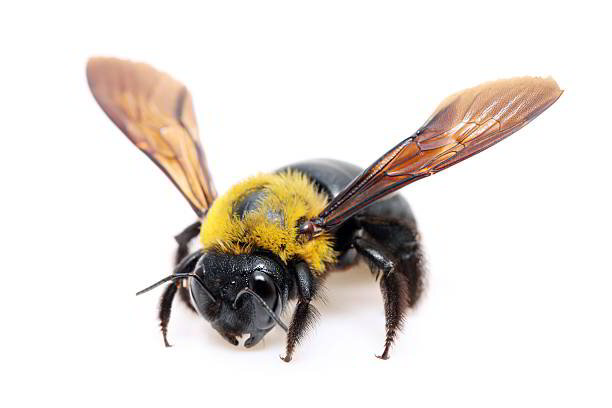
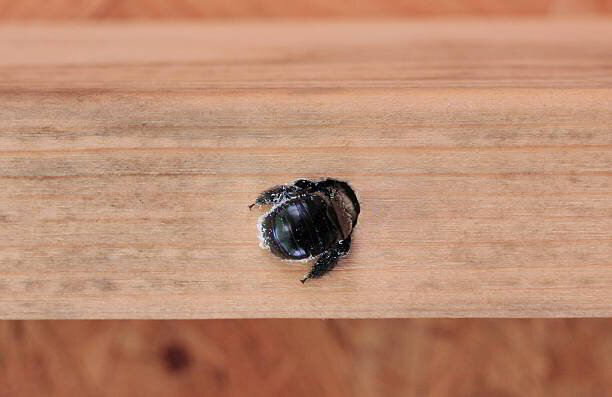
Carpenter bees are a large species of stinging insect, typically measuring between ½ inch and 1½ inches in length. True to their name, they bore into wood to create nests, often leading to costly carpenter bee infestations in decks, siding, and other wooden structures. These bees have round, robust bodies that are mostly black, while males may feature a yellow or white face. One way to distinguish carpenter bees from bumblebees is by their smooth, shiny abdomen that lacks hair. Female carpenter bees are generally docile but do have a stinger, while males may act aggressive even though they cannot sting. Recognizing these traits is important for proper carpenter bee identification and control around your property.
Understanding Risks to Your Property
Female carpenter bees do possess venom, and their sting can trigger allergic reactions in sensitive individuals. However, these bees are generally not aggressive and will only sting if provoked, stepped on, or accidentally handled. Male carpenter bees often appear threatening as they hover aggressively near people, but they lack a stinger and cannot cause physical harm.
The real danger of a carpenter bee infestation lies in the structural damage they create. A female bee drills a perfectly round hole in wood about the diameter of her body, then tunnels four to six inches deep to form nesting galleries for her eggs. When multiple bees nest in the same area, the damage compounds quickly. Even more concerning, carpenter bees return to the same wood year after year, extending tunnels that can eventually reach over ten inches in length. Over time, this behavior weakens wood structures and may require costly repairs, making professional carpenter bee control services essential for long-term protection.
Why do I have a Carpenter Bee problem?
Carpenter bees often become a problem when your property provides the ideal nesting and feeding conditions they seek. These bees bore into wood to build their nests, which makes trees, decks, fences, and even the exterior of homes vulnerable to carpenter bee infestations. They are also attracted to areas rich in pollen and nectar, so properties with gardens, flowering plants, or landscaping offer them an abundant food supply. Once carpenter bees find a suitable location, they are likely to return year after year, expanding their tunnels and causing more structural damage over time. To protect your property and prevent recurring issues, professional carpenter bee control services or a trusted bee exterminator near me may be necessary.
Where will I find Carpenter Bees?
Carpenter bees typically create their nests in wooden structures, with a preference for unfinished or untreated softwoods such as pine, cedar, or redwood. Common nesting sites include fences, decks, porch steps, outdoor furniture, and wooden play structures, where they bore perfectly round holes to tunnel inside. Around homes and buildings, carpenter bees may also establish nests in trim, siding, or wood shingles, leading to gradual structural damage. Because carpenter bee infestations often go unnoticed until damage becomes extensive, identifying these nesting sites early and seeking professional carpenter bee control services from a trusted exterminator near me is essential to protect your property.
Learn more about Stinging Insect Control
How do I get rid of Carpenter Bees?
Eliminating carpenter bee infestations is best handled by trained professionals, as do-it-yourself methods rarely provide long-term results. At Amco Pest Solutions, our expert team offers year-round carpenter bee control services that not only remove active bees but also prevent them from returning. Whether you’re dealing with an existing infestation or looking for proactive protection, our family-owned and operated company has the knowledge and tools to help.
Our licensed professionals provide both residential and commercial pest control for carpenter bees, using proven treatments to safeguard wood structures from damage. With our comprehensive approach, we also protect your property against a wide range of other pests common to New Jersey, New York, and South Florida. If you’ve been searching for a dependable carpenter bee exterminator near me, Amco Pest Solutions is here to deliver safe, effective, and lasting results. Contact us today to learn more about our customized pest control solutions and keep your property protected year-round.
Learn more about Residential Control
Carpenter Bee Behavior and Adaptation
Carpenter bees are known for their unique habit of boring into wood to create tunnels and nests, allowing them to thrive in a wide range of environments. Unlike social bees that live in colonies, carpenter bees are solitary insects, with each female responsible for building and maintaining her own nesting site. Although they are considered pests because of the structural damage they can cause, these bees also play a valuable role as pollinators, helping transfer pollen between flowers as they feed on nectar. For homeowners seeking pest control New Jersey services, it’s important to choose a provider that understands this balance. Addressing carpenter bee infestations with professional carpenter bee control especially when done through eco-friendly pest solutions helps protect your property while still respecting the ecological importance of these beneficial pollinators.
Lifecycle and Reproduction
The carpenter bee lifecycle begins when the female excavates wooden tunnels and creates individual chambers for her eggs. Each chamber is supplied with a mixture of pollen and nectar to feed the developing larvae. This solitary nesting behavior allows females to protect and nurture their offspring without the need for a colony. Over time, these reproductive habits contribute to recurring carpenter bee infestations, as new generations return to the same areas year after year. Understanding their reproductive cycle is essential for implementing effective carpenter bee control services that prevent long-term damage to wood structures.
Carpenter Bees and Their Role in Ecosystems
Carpenter bees serve an important role in ecosystems as natural pollinators, helping many flowering plants reproduce and thrive. Their pollination activity supports biodiversity and contributes to maintaining healthy plant and crop populations. However, while their ecological value is undeniable, their wood-boring behavior can cause significant structural damage to homes, decks, and other wooden surfaces. This balance highlights the need for responsible management protecting their pollination benefits while preventing destructive carpenter bee infestations. Professional carpenter bee control services from Amco Pest Solutions provide effective pest control for carpenter bees, ensuring your property is protected without disregarding their vital role in nature.
Managing Carpenter Bee Populations
Successful carpenter bee management starts with preventive steps, such as sealing exposed wood surfaces and applying protective treatments to deter nesting. When infestations already exist, targeted methods like careful nest removal or the use of insecticidal dust may be required to eliminate activity. At the same time, balancing control with their role as pollinators is essential. This is why Amco Pest Solutions provides responsible carpenter bee control services that protect your property from damage while respecting their ecological value. With professional pest control for carpenter bees, you can keep structures safe without disrupting the benefits they bring to the environment.
Carpenter bees may appear harmless, but their tunneling behavior can cause serious structural damage to homes and businesses. By boring into wood to build nests, they gradually weaken decks, siding, fences, and other wooden features. At Amco Pest Solutions, we specialize in comprehensive carpenter bee control services designed to eliminate active infestations and prevent future problems. Our skilled team uses safe, eco-friendly bee treatments that target the source of the issue while protecting your property. With our reliable 24/7 pest control for carpenter bees, you can count on fast response times, long-lasting protection, and peace of mind. If you’re searching for a trusted carpenter bee exterminator near me, Amco Pest Solutions is here to deliver professional results and safeguard your space from further damage.
How can I prevent Carpenter Bees in the future?
Seal and Paint Exposed Wood
Carpenter bees are strongly attracted to untreated wood. Protect vulnerable areas such as decks, eaves, siding, and fascia boards by sealing and painting them. A thick, well-maintained coat of paint acts as a barrier and makes wood less appealing for nesting.
Choose Treated or Durable Wood
Using hardwood or pressure-treated lumber helps reduce the risk of carpenter bee infestations. Naturally resistant woods like cedar and redwood are also great options for outdoor structures, as they are less likely to be targeted.
Apply Repellents or Insecticides
Certain repellents and insecticides can deter carpenter bees when applied to wood surfaces. Always follow application guidelines carefully and reapply after heavy rain or harsh weather to ensure continued protection.
Install Carpenter Bee Traps
Strategically placed traps can help capture carpenter bees before they damage your property. Regular maintenance of these traps keeps them effective and reduces bee activity around vulnerable areas.
Fill Old Carpenter Bee Holes
If carpenter bees have already drilled into wood, fill existing tunnels with wood putty or dowels and then seal with paint. This prevents bees from reusing the same sites and encourages them to move elsewhere.
Maintain Landscaping
Trim vegetation around decks, fences, and wooden structures to minimize hiding spots and reduce nesting opportunities. Proper yard maintenance creates an environment that is less attractive to carpenter bees. By following these carpenter bee prevention strategies and combining them with professional carpenter bee control services from Amco Pest Solutions, you can safeguard your property from recurring infestations and protect your wooden structures for the long term.
Discover More Pests & Rodents Below!
Carpenter Bees Exposed: Quick Insights with Amco Pest Solutions
Uncover quick insights into carpenter bees with Amco Pest Solutions. Explore the habits, risks, and effective solutions to keep these buzzing wood-borers at bay. Get quick tips on identification and proactive measures. Watch now for rapid insights into dealing with carpenter bees with Amco Pest Solutions!
Learn more about Stinging Insect Control