Effective Solutions for Stinging Insect Management
Explore and learn about the ecology, diversity, and mystery of Stinging Insects.
We provide professional control services targeting bees, wasps, and hornets, focusing on safe, effective removal and prevention strategies.
Stinging Insect Issues? Click Here
Knowledge of stinging insect behavior, nesting habits, and risk factors is crucial for safely addressing infestations.
Effective measures include securing entry points, managing outdoor areas, and removing attractants to prevent nesting.
Prevention Tips
What are stinging Insects?
Stinging insects are eco-important pests, that have the unique ability to be wanted and unwanted at the same time. When living outside and away from our home we are happy to have them. However, when they nest near or in our home and put our family and pets in danger, they become unwanted pests.
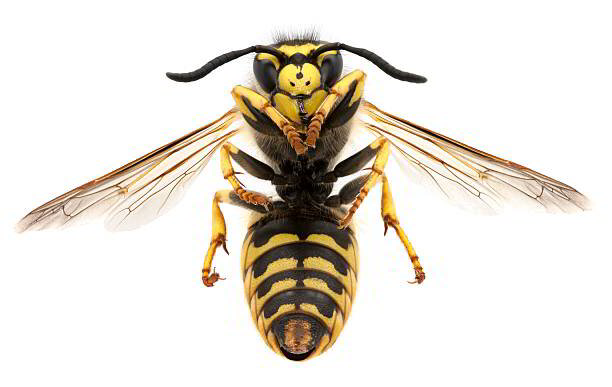
Stinging insects are those insects that have a venom-filled stinger extending from their abdomens. Common examples of stinging insects living in our area are hornets, wasps, and yellow jackets. They are all predators and help not only provide some pollination but also aid in reducing nuisance insect populations by hunting and feeding on them.
Are stinging insects dangerous?
Stinging insects are dangerous pests that have the potential to deliver painful stings and their venom triggers allergic reactions that vary from mild to life-threatening, depending on the person.
Some species of stinging insects are very aggressive and will chase after and try to sting you for simply walking past their nest. Other species are more docile and stings tend to only occur after accidental contact is made- stepping on them, touching them while working in the garden, etc.
Why do I have a stinging insect problem?
Oftentimes there is no particular reason stinging insects choose your property to live on. Stinging insects don’t have a preference for where they live as long as it provides them with a sheltered place to build their nest and plenty of food to feed their colony.
The spring and summer season is when most species of stinging insects are most active. Workers are frantically searching around for food to feed their queens and the rest of the members of their ever-expanding colony. During this time of the year, most stinging insects have a short fuse and it doesn’t take much to annoy them and be on the receiving end of a painful sting.
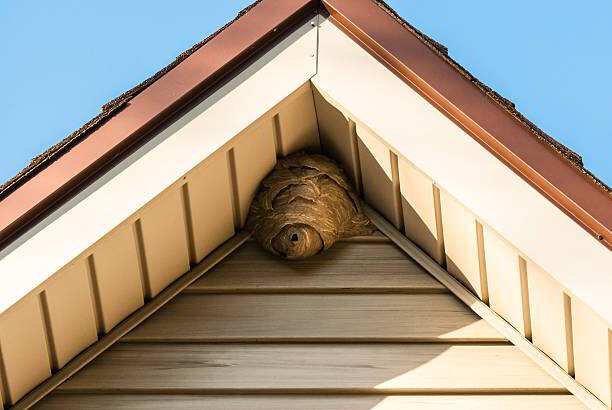
Where will I find stinging insects?
Stinging insects live and breed outside, only sometimes finding their way inside to build a nest. Outside, stinging insects live in a variety of habitats including wooded areas, meadows, fields, grasslands, and our own backyards. Where a stinging insect places its nest depends if they are aerial or a ground nester. Some species are solitary and create an individual nest, but the majority of stinging insects are social and live together in groups of various sizes. Some common nesting sites include: Tree branches and tree cavities chimneys, doorways, behind window shutters, under decks, utility poles, shrubbery, ground holes, and the abandoned nests of other small animals
Learn more about Stinging Insect Control
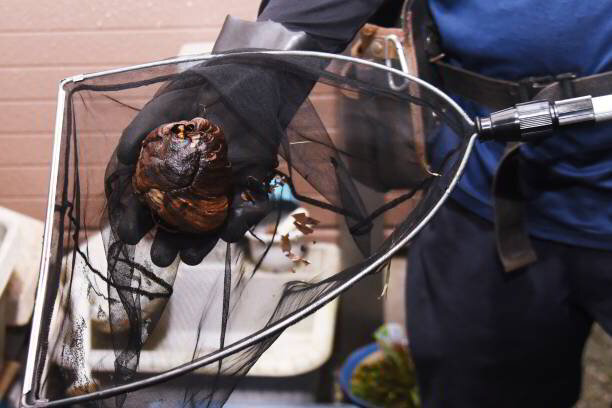
How do I get rid of stinging insects?
Getting rid of stinging insects from your yard, home, or business is best left up to a professional. The experts at Amco Pest Solutions will provide you with the year-round solutions needed to get rid of stinging insects and prevent their return. Whether you are looking to get rid of a current stinging insect infestation or prevent future problems with stinging insects our family-owned and operated company is here to help.
Our professionals are committed to providing the pest control services needed to help home and business owners keep their properties free of stinging insects and other common pests.
Learn more about Residential Control
Stinging Insect Behavior and Adaptation
Stinging insects, including bees, wasps, and hornets, have developed complex behaviors for survival, such as pollination and defense mechanisms. Their stings, used primarily for protection, enable them to deter predators effectively. These adaptations are crucial for their survival in diverse environments, showcasing their ability to navigate and thrive in both natural and urban landscapes, emphasizing their resilience and importance in ecosystems.
Lifecycle and Reproduction
The lifecycle of stinging insects is characterized by a fascinating journey from egg to adulthood. Many undergo complete metamorphosis, involving egg, larval, pupal, and adult stages. This reproductive strategy, especially in colony-forming species like bees and wasps, ensures the continued survival and proliferation of their populations. Social structures within colonies facilitate efficient reproduction and resource allocation, underscoring their complex social dynamics.
Role in Ecosystems
Stinging insects play critical roles in ecosystems as pollinators and predators of pests. They contribute significantly to the pollination of flowers, fruits, and vegetables, enhancing plant diversity and agricultural productivity. Additionally, by controlling pest populations, they maintain ecological balance, demonstrating their indispensable role in supporting biodiversity and the health of natural habitats and human-modified environments alike.
Managing Populations
Managing stinging insect populations requires a balanced approach that respects their ecological contributions while minimizing risks to humans. Strategies include habitat conservation, promoting natural predators, and implementing non-invasive control methods. Educating the public about the importance of stinging insects can foster coexistence, emphasizing preventive measures over eradication to maintain biodiversity and ecosystem health.
How can I prevent stinging insects in the future?
Sealing Entry Points
Seal any gaps, cracks, or openings in the exterior of your home or building to prevent stinging insects from entering. Ensure that windows, doors, and screens are in good condition.
Regular Inspections
Conduct routine inspections of your property to identify and eliminate potential nesting sites for stinging insects. Check for nests in trees, eaves, walls, and other structures, and address them promptly.
Proper Waste Management
Keep outdoor trash cans securely covered to minimize food sources that may attract stinging insects. Dispose of food waste promptly, especially during outdoor activities.
Avoid Sweet Fragrances
During outdoor activities, avoid using perfumes, lotions, or candles with sweet fragrances that can attract stinging insects. Opt for unscented products to reduce the likelihood of attracting them.
Landscaping Practices
Trim vegetation, shrubs, and bushes around your property to minimize nesting sites. Regularly inspect and prune plants to remove any overgrown or dead vegetation.
Professional Inspection
Consider hiring our professional pest control services for preventive treatments. Amco Pest Solutions can apply insecticides and implement strategies to deter stinging insects from nesting on your property.
Discover More Pests & Rodents Below!
Unveiling the World of Stinging Insects: Understanding Species, Risks, and Effective Control
Effectively manage stinging insect infestations with the expertise of Amco Pest Solutions! Our educational video offers valuable insights into identifying various stinging insects, understanding their behavior, and implementing safe and effective removal strategies. Arm yourself with crucial knowledge to prevent these insects, such as wasps, bees, and hornets, from becoming a threat to your family and pets. Ready to enjoy a stinging-insect-free environment? Watch our video now for essential tips and begin your journey towards a secure and peaceful outdoor space.
Learn more about Stinging Insects Control