Safe and Effective Wildlife Removal for Your Home
Explore and learn about the ecology, diversity and mystery of Wildlife
Our team specializes in humane wildlife removal, ensuring safe and effective solutions for both residential and commercial properties.
Experiencing Wildlife Problems? Click Here
Understanding the behavior and habitat preferences of wildlife is essential for effective management and prevention of future intrusions.
Implementing exclusion measures, habitat modification, and securing potential food sources are key strategies to deter wildlife from your property.
Prevention Tips
What is wildlife?
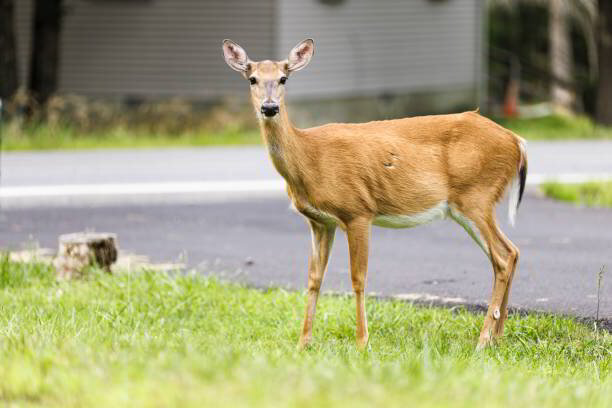
Non-domesticated animals are known as wildlife. Wild animals do not need the assistance of people to survive. Over time, our habitats have overlapped, allowing wildlife to take advantage of the food, water, and shelter that our residential and commercial properties offer. Though they don’t need our help, wildlife won’t hesitate to use our properties to acquire their basic needs. Common species of wildlife we often come into contact with include mice, chipmunks, squirrels, bats, raccoons, skunks, snakes, and birds.
Is wildlife dangerous?
Wild animals that live outside and away from people cause us no real problems. However, when they decide to invade and damage our yards, gardens, and homes, they become unwanted and possibly dangerous.
Wild animals can become destructive. They burrow under foundations, sheds, and garages, causing structural damage in the process. They dig through and damage our lawns and gardens. Inside homes, structural damage is caused by the animals chewing on and digging through drywall, pipes, and wires. Wild animals will also dig through and contaminate the insulation with their urine and feces.
Wild animals can also carry and spread diseases and bacteria that have the potential to cause serious health problems in people. Wildlife is “wild” and unpredictable. If a wild animal feels threatened, it will defend itself by biting, scratching, and hissing. Only experienced professionals should remove wildlife from homes, businesses, and outdoor spaces.
Why do I have a wildlife problem?
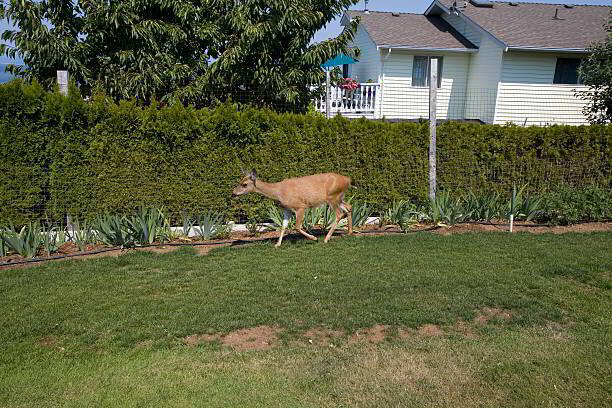
Properties that provide the basics of food, water, and shelter are attractive to wildlife. Gardens, lawns, trees, trash cans, compost areas, pet food, and outdoor eating areas will draw wild animals to a property.
Once comfortable feeding on your property, some wild animals will create a nest outside in your yard or move inside or even under your home, seeking a safe place to shelter that protects them from unsuitable weather conditions.
Where will I find wildlife?
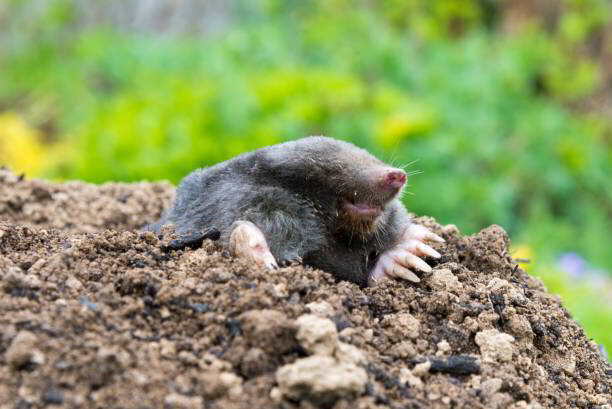
Wildlife live in a variety of places, including wooded areas, near lakes and streams, in fields, yards, and urban centers. Outdoors, wild animals nest and burrow in many places, some of the most common include trees, shrubs, dense grass, and roofs. They also burrow under decks, foundations, woodpiles, and piles of debris.
Wild animals that decide to move indoors to nest usually choose quiet areas that aren’t heavily traveled, such as wall voids, attics, basements, chimneys, and crawlspaces.
CLICK TO LEARN MORE
How do I get rid of wildlife?
Getting rid of wildlife from your yard, home, or business is best left up to a professional. The experts here at Amco Pest Solutions will provide you with effective wildlife control services to get rid of them and prevent their return. Whether you are looking to get rid of a current infestation or prevent future problems with pests, our family-owned and operated company is here to help.
Our professionals are committed to providing the pest control services needed to keep your home or business free of wildlife and other common pests. Reach out to Amco Pest Solutions today to learn more about our effective home pest control and commercial pest control solutions. Let’s work together to protect your New Jersey, New York, or South Florida property from being taken over by wildlife!
CLICK TO LEARN MORE
Wildlife Behavior and Adaptation
Many wildlife species that are considered pests have adapted behaviors that allow them to thrive in close proximity to humans. These adaptations often include nocturnal activity patterns to avoid detection and versatile diets that enable them to consume human food waste.
Lifecycle and Reproduction
Pest species often have rapid reproductive cycles, allowing their populations to increase quickly in suitable environments. This reproductive efficiency can lead to challenges in managing their numbers in urban and suburban settings.
Role in Ecosystems
While considered pests in human habitats, these animals play important roles in their natural ecosystems. Their activities can contribute to seed dispersal, soil aeration, and the control of other pest populations, highlighting the complexity of their ecological roles.
Managing Populations
Effective management of wildlife considered pests involves a balance between humane control measures and conservation efforts. Strategies include habitat modification, exclusion techniques, and, where necessary, population control to minimize conflict with human activities while supporting biodiversity.
How can I prevent wildlife in the future?
Sealing Entry Points
Regularly inspect your property for potential entry points such as gaps, holes, or cracks in walls, roofs, and foundations. Seal any openings with sturdy materials, ensuring wildlife cannot easily access your home or business.
Sanitation Practices
Store food in airtight containers, clean up crumbs, and spills promptly. Declutter areas to eliminate nesting spots, reducing attractions for mice seeking shelter and sustenance.
Proper Waste Management
Secure garbage cans with tight-fitting lids to prevent attracting wildlife with food odors. Dispose of trash regularly, and avoid leaving food scraps or pet food outdoors.
Landscaping Practices
Trim tree branches and vegetation away from your home, reducing potential pathways for animals to enter. Keep yards well-maintained, removing overgrown vegetation that may serve as hiding spots for wildlife.
Use Deterrents
Install motion-activated lights or sprinklers to deter nocturnal animals. Consider using wildlife repellents or deterrents to discourage animals from approaching your property.
Professional Inspection
Schedule regular inspections by wildlife control professionals to identify and address potential vulnerabilities. Our professionals can provide effective prevention strategies tailored to your specific property and local wildlife.
Discover More Pests & Rodents Below!
Unveiling the World of Wildlife: Understanding Species, Risks, and Effective Control
Successfully address wildlife challenges with Amco Pest Solutions! Our informative video provides expert insights into identifying common wildlife intruders, understanding their habits, and implementing humane and effective control strategies. Equip yourself with the knowledge to prevent wildlife from encroaching on your property and causing disturbances. Ready to ensure a wildlife-free environment? Watch our video now for comprehensive guidance and start your journey towards a secure, peaceful, and coexisting outdoor space.
Learn more about Wildlife Control