News and Updates
Amco Pest Solutions is excited to announce our latest News and Updates section, where we bring you the most recent advancements and happenings in the world of pest control. Stay informed with our regular updates, featuring innovative pest management techniques, new service offerings, and community involvement initiatives. Our commitment to environmentally friendly solutions and customer education remains a top priority. Discover tips, tricks, and insights from our team of experts, ensuring you’re always a step ahead in pest prevention and control. Stay tuned for our latest news and don’t let pests bug you anymore!
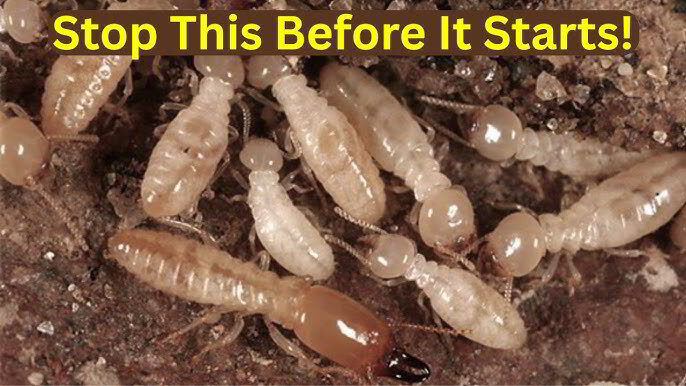
Termite infestations represent one of the most devastating and costly threats to property
owners across the United States. These silent destroyers cause billions of dollars in
damage annually, making understanding how to prevent termite infestation a critical priority
for homeowners, property managers, and business owners alike. Unlike other pest problems
that announce their presence, termites work methodically behind walls, under floors, and within
structural elements, often remaining undetected until significant damage has already occurred.
The financial impact of termite damage is staggering. According to the National Pest
Management Association, termites cause over $5 billion in property damage each year in
the United States alone. What makes this particularly concerning is that most homeowner’s
insurance policies do not cover termite damage, leaving property owners to bear the full cost
of repairs. The average termite damage repair bill ranges from $3,000 to $8,000, though severe
infestations can result in tens of thousands of dollars in structural repairs.
Statistics reveal that approximately one in five homes will be affected by termites at some point,
with higher rates in warmer climates where termite activity remains year-round. This widespread
threat underscores the importance of implementing comprehensive prevention strategies rather
than waiting to react to an established infestation.
Understanding Termite Behavior and Types
Successfully preventing termite infestations requires a thorough understanding of termite
behavior and the different species that threaten properties. The three primary types of
termites found in North America each present unique challenges and require specific
prevention approaches.
Subterranean termites are the most destructive and widespread species, responsible
for approximately 95% of termite damage in the United States. These termites live in
underground colonies that can contain hundreds of thousands to millions of individuals.
They build distinctive mud tubes to travel between their soil-based colonies and wood
sources, requiring moisture to survive. Subterranean termites typically swarm in spring,
with reproductive individuals seeking new locations to establish colonies.
Drywood termites infest dry wood directly, creating colonies within the wood they consume.
Unlike their subterranean cousins, they don’t require soil contact or external moisture sources.
These termites are particularly problematic in coastal areas and warmer climates, often targeting
attic spaces, furniture, and structural timbers. Signs of drywood termite activity include small piles
of wood-colored pellets called frass.
Dampwood termites prefer moist, decaying wood and are commonly found in areas with high
humidity or water damage. While less likely to infest sound structural lumber, they can cause
significant damage to compromised wood elements.
The termite life cycle includes egg, nymph, and adult stages, with adults differentiated into
workers, soldiers, and reproductive. Understanding this cycle helps identify peak activity
periods and optimal timing for prevention measures. Workers continuously forage for cellulose
-based materials, while reproductive swarm to establish new colonies, typically during warm,
humid conditions following rainfall.
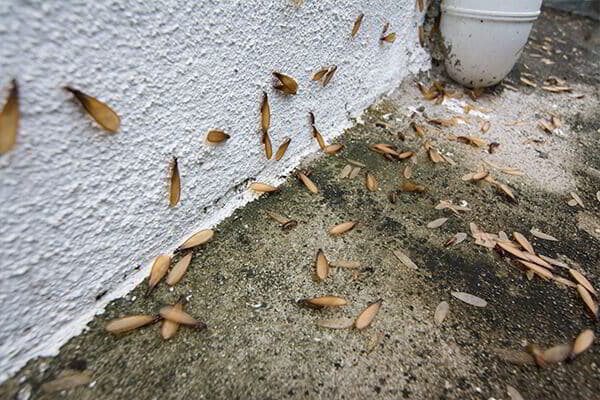
Key signs of termite damage include hollow-sounding wood, mud tubes along foundation walls,
discarded wings near windows and doors, and small holes in wood surfaces. Early detection
significantly reduces potential damage and treatment costs.
10 Proven Strategies to Prevent Termite Infestations
1. Regular Inspections and Monitoring
Implementing a systematic inspection schedule forms the foundation of effective termite
prevention. Property owners should conduct monthly visual inspections, focusing on
foundation areas, crawl spaces, basements, and areas where wood contacts soil.
Professional termite inspections should occur annually, with more frequent inspections
in high-risk areas or properties with previous termite activity.
During inspections, examine foundation walls for mud tubes, check wooden structures for
hollow sounds when tapped, and look for signs of termite damage such as small holes or
damaged wood. Pay particular attention to areas around plumbing penetrations, where
moisture may attract termites.
2. Maintaining Moisture Control
Moisture management represents one of the most critical aspects of termite prevention, as
excess moisture creates ideal conditions for termite activity. Install proper drainage systems
around foundations, ensuring water flows away from structures. Repair leaking pipes, faucets,
and air conditioning units promptly, as even minor leaks can create attractive conditions for
termites.
Maintain proper ventilation in crawl spaces and basements, using fans or dehumidifiers when
necessary to keep humidity levels below 50%. Clean gutters regularly and ensure downspouts
direct water at least three feet from foundation walls. Address any standing water issues in
basements or crawl spaces immediately.
3. Proper Wood Storage and Treatment
Store firewood, lumber, and other cellulose materials away from structures, maintaining at least
a 20-foot buffer zone. Elevate stored wood off the ground using concrete blocks or metal stands,
and cover materials to protect from moisture. Never store wood against exterior walls or under
porches where it contacts soil.
When using wood in construction or repairs, choose pressure-treated lumber for areas near
soil contact. Consider naturally termite-resistant woods like cedar, redwood, or teak for outdoor
applications, though these materials still require proper maintenance and monitoring.
4. Sealing Entry Points
Systematically seal potential termite entry points around foundations, including cracks in
concrete, gaps around utility penetrations, and spaces where different building materials meet.
Use appropriate sealants such as concrete caulk for foundation cracks and expanding foam for
larger gaps around pipes and conduits.
Install proper weatherstripping around doors and windows, and ensure screens are intact and
properly fitted. Pay special attention to areas where additions connect to original structures, as
these transition zones often provide entry opportunities.
5. Using Physical Barriers
Install physical termite barriers during construction or renovation projects. Steel mesh barriers,
sand barriers, and specially designed termite shields can effectively prevent subterranean
termite access to structures. These barriers work by forcing termites to build around them,
making their activity visible during inspections.
For existing structures, consider installing termite shields on foundation walls or pier caps.
While retrofitting barriers can be challenging, strategic placement in high-risk areas provides
valuable protection.
6. Chemical Treatment Considerations
Soil treatment around foundations creates a protective chemical barrier that deters termite
activity. Professional-grade termiticides can provide long-lasting protection when applied
correctly. Borate treatments for exposed wood surfaces offer additional protection, particularly
in crawl spaces and basements.
While chemical treatments require professional application, understanding available options
helps property owners make informed decisions about protection levels. Some treatments
offer decades of protection when properly maintained.
7. Landscaping Considerations
Design landscaping to minimize termite-attracting conditions. Maintain proper grading to ensure
water flows away from structures, and avoid planting shrubs or trees too close to buildings wher
e root systems might damage foundations or create moisture retention.
Use mulch sparingly near foundations, maintaining at least a six-inch gap between mulch and
structures. Choose inorganic mulch alternatives like gravel or rubber mulch for areas immediately
adjacent to buildings.
8. Removing Wood-to-Soil Contact
Eliminate direct contact between wooden structures and soil wherever possible. Maintain at least
six inches of clearance between soil and wooden siding, decking, or other structural elements.
Install concrete or metal barriers where wood must be near ground level.
Regularly inspect and maintain the clearance between wood and soil, as settling, landscaping
changes, or soil buildup can create new contact points over time.
9. Year-Round Pest Management Plans
Develop comprehensive pest management plans that address termite prevention alongside
other pest control needs. Integrated approaches often provide better overall protection while
maintaining cost-effectiveness.
Regular monitoring, seasonal treatments, and coordinated prevention strategies create multiple
layers of protection against termite infestations and other pest problems.
10. Professional Consultation and Maintenance
Establish relationships with qualified pest control professionals who understand local termite
species and seasonal patterns. Professional expertise becomes invaluable for developing
property-specific prevention strategies and identifying subtle signs of termite activity that
untrained individuals might miss.
When to Seek Professional Pest Control Services
While many prevention strategies can be implemented by property owners, certain situations
require professional intervention. Signs of active termite infestation, including visible swarmers,
fresh mud tubes, or structural damage, warrant immediate professional assessment. Additionally,
properties with previous termite history, high-risk construction features, or valuable assets should
receive professional monitoring and treatment.
Professional pest control services offer specialized equipment, expertise, and treatment options
unavailable to property owners. The cost of professional prevention and treatment typically
represents a fraction of potential damage costs, making professional services a wise investment
for most properties. Qualified professionals can also provide documentation required for real
estate transactions and insurance purposes.
Conclusion
Implementing comprehensive strategies on how to prevent termite infestation protects property
investments and provides peace of mind for owners and managers. The combination of regular
monitoring, moisture control, physical barriers, and professional expertise creates multiple layers
of protection against these destructive pests. Taking proactive measures costs significantly less
than addressing established infestations and prevents the stress and disruption associated with
major structural repairs.
Ready to protect your property from termite damage? Contact Amco Pest Solution at (888)
593-4948 for a comprehensive termite inspection and customized prevention plan. Our
experienced professionals provide reliable, effective termite control solutions tailored to your
specific needs. Visit http://mmmwebdev.com/ to learn more about our termite prevention services
and schedule your consultation today.