Comprehensive Hornet Management for Your Peace of Mind
Explore and learn about the ecology, diversity and mystery of Hornets
Our experts use safe, effective methods to control hornets, prioritizing your safety while minimizing environmental impact.
Hornet Infestations? Click Here
Understanding hornet behavior and nesting habits is crucial for effective control and prevention of these potentially aggressive insects.
Prevent hornets by removing food sources, sealing entry points, and properly managing waste and standing water around your property.
Prevention Tips
What are hornets?
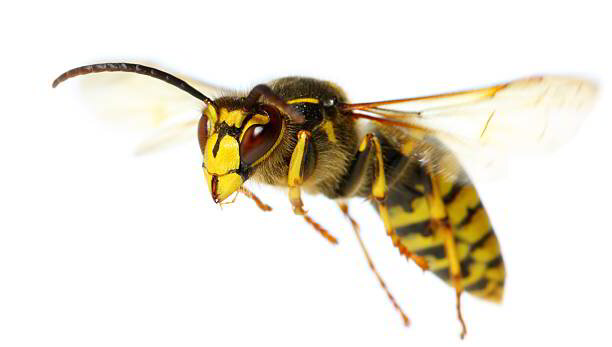
Hornets, are captivating creatures that belong to the wasp family. These remarkable insects display quite the social behavior, often living in large colonies and constructing meticulously intricate paper nests. What sets hornets apart from other species is not only their remarkable size but also their aggressive demeanor and distinctive black and white markings, which make them easily recognizable and fascinating to observe. With their remarkable capabilities and complex social structures, hornets have been a subject of great interest for entomologists and nature enthusiasts alike.
Are hornets dangerous?
Hornets are aggressive defenders of their nests and can deliver painful stings. For individuals with allergies, hornet stings can lead to severe reactions.
Why do I have a hornet problem?
Hornets may build nests near homes or structures, especially in spring and summer. They are attracted to sugary foods, proteins, and sheltered locations.
Where will I find hornets?
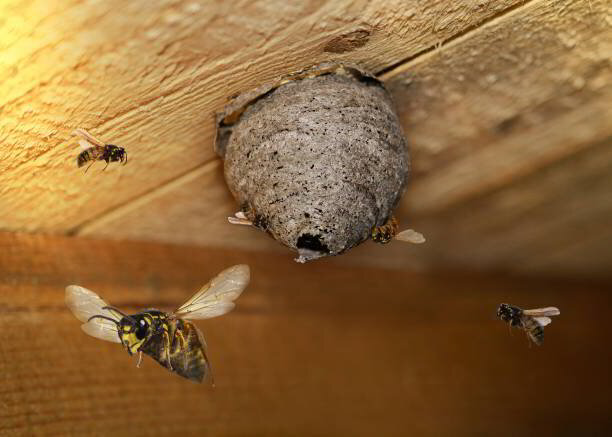
Hornets build nests in trees, shrubs, or on structures like eaves or attics. They forage for food near garbage, picnics, or outdoor eating areas.
Learn More About Hornet Control
How do I get rid of hornets?
Managing hornets involves locating and removing nests, using insecticidal sprays, and, due to their aggression, seeking professional pest control assistance.
Learn more about Residential Control
Hornet Behavior and Adaptation
Hornets are social insects known for their ability to build large, intricate nests. They exhibit aggressive behavior when defending their colony, which includes a powerful sting. Adaptations like their venomous sting and flying capabilities help them capture prey and deter predators. Hornets play a crucial role in controlling pest populations, showcasing their adaptiveness in various environments.
Lifecycle and Reproduction
The lifecycle of hornets involves complete metamorphosis, from egg to larva, pupa, and adult. Queens emerge in spring to establish new colonies, laying eggs that develop into workers. These workers then assist in expanding the colony and caring for subsequent offspring. This efficient reproductive strategy enables hornets to quickly establish large colonies, highlighting their social structure and cooperation.
Hornets and Their Role in Ecosystems
Hornets contribute to biodiversity by preying on other insects, controlling their populations. Their role as predators helps maintain ecological balance, preventing the overpopulation of pests. Additionally, while not their primary function, hornets can pollinate plants, further supporting ecosystem health. Their presence underscores the complexity of food webs and the importance of predator-prey relationships in natural habitats.
Managing Hornet Populations
Managing hornet populations near human habitation involves careful monitoring and, if necessary, professional removal of nests. Preventive measures include securing food sources and proper disposal of waste to avoid attracting hornets. Understanding hornets’ beneficial roles in ecosystems is vital, advocating for their relocation rather than eradication when they pose a risk to human activities.
Hornets are aggressive and territorial insects that can pose significant risks to both humans and animals. These large wasps are known for their painful stings, which can cause allergic reactions in some individuals. Amco Pest Solutions offers expert hornet control services to safely and effectively remove these dangerous pests from your property. Our skilled technicians use industry-leading techniques to identify hornet nests and eliminate them quickly, minimizing the risk of stings and infestations. Whether it’s a nest in a tree, attic, or wall, we handle every situation with precision and care. Trust Amco Pest Solutions to provide a safe and pest-free environment by tackling your hornet problems with professional, environmentally friendly solutions.
How can I prevent hornets in the future?
Sealing Entry Points
Close gaps, cracks, or openings around doors and windows to prevent hornets from entering indoor spaces.
Nest Detection
Regularly inspect outdoor areas for signs of hornet nests, addressing them promptly to prevent colony establishment near your home.
Food Management
Keep food and drinks covered during outdoor activities to reduce attractive food sources for hornets.
Garbage Control
Secure garbage cans with tight-fitting lids and dispose of trash regularly to minimize food sources drawing hornets near your home.
Garden Maintenance
Trim vegetation around buildings to reduce nesting sites, making structures less appealing for hornets.
Professional Assistance
Consult pest control experts for guidance on preventive measures and treatments if hornet problems persist, ensuring safe and effective management.
Discover More Pests & Rodents Below!
Unveiling the World of Hornets: Understanding Species, Risks, and Effective Control
Address hornet infestations effectively with Amco Pest Solutions! Our comprehensive video guides you through the process of identifying hornets, understanding their behavior, and implementing successful control and removal strategies. Equip yourself with the essential knowledge to prevent these intimidating insects from posing a threat to your home and outdoor areas. Eager to maintain a hornet-free environment? Watch our video now for valuable insights and take the first step towards a safe and peaceful living space.
Learn more about Hornets Control