Praying Mantises: Natural Pest Control for New Jersey Gardens
Explore and learn about the ecology, diversity, and mystery of Praying Mantises
We provide comprehensive praying mantis prevention strategies, utilizing safe and effective methods to manage their presence in gardens and agricultural areas without disrupting the ecological balance.
Dealing with Praying Mantises? Click for Expert Help
Praying mantises, recognized for their unique posture and predatory habits, can be both beneficial and challenging in gardens. While they prey on various insects, their indiscriminate eating habits mean they may also consume beneficial insects. Managing their presence involves understanding their behavior and ecological role to prevent potential issues.
Implementing strategic planting, habitat modification, and promoting a balanced ecosystem can be key strategies to prevent an overpopulation of praying mantises effectively.
Prevention Tips
What are Praying Mantises and How Do They Control Pests?
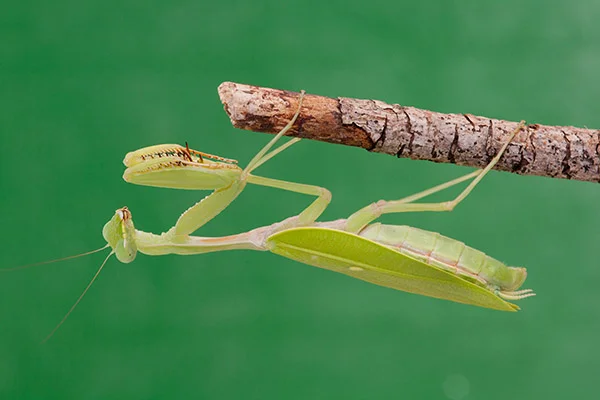
Praying Mantises are predatory insects that play a crucial role in pest control by consuming a variety of insects. While they help maintain balance in gardens by reducing pest numbers, understanding their ecological impact is vital. Here are eco-friendly pest control methods involving Praying Mantises that can be used in New Jersey gardens. They are skilled hunters, feeding on a wide range of insects, including moths, crickets, flies, and even small hummingbirds. While their predation can benefit gardens by reducing pest populations, their tendency to also eat beneficial insects necessitates a balanced approach to their presence in the garden.
Are praying mantises dangerous?
Praying mantises are not dangerous to humans or pets. They are solitary predators that play a role in controlling insect populations. However, their aggressive predatory nature means they might also target beneficial garden insects, including pollinators and other insect predators, which can affect the overall health and balance of your garden ecosystem.
Why might I need to prevent praying mantis overpopulation?
Preventing an overpopulation of praying mantises is essential to maintain a balanced ecosystem in your garden or farm. While they can control pests, their lack of selectivity in prey can lead to a reduction in the population of beneficial insects, disrupting pollination and natural pest control mechanisms.
Where will I find praying mantises?
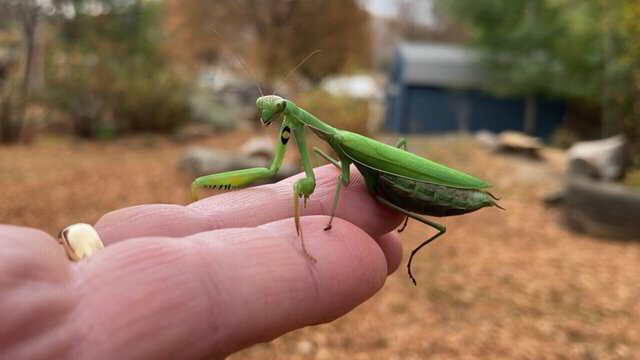
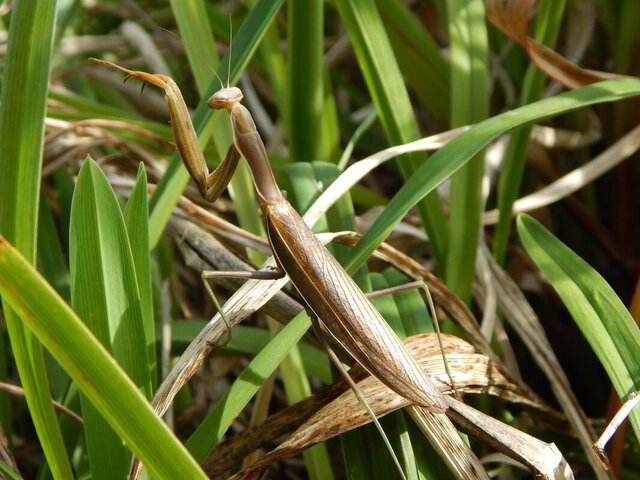
Praying mantises thrive in environments rich with vegetation and abundant insect activity, making gardens, meadows, landscaped yards, and agricultural fields ideal habitats. These skilled predators rely on natural camouflage, blending into leaves, stems, and shrubs to patiently ambush unsuspecting prey. Areas with dense plant growth provide both shelter and steady food sources, allowing mantises to flourish. While they are generally considered beneficial insects due to their role in reducing certain pest populations, an imbalance of insect activity around homes can signal the need for professional pest control in New Jersey. Homeowners seeking reliable Residential Pest Control and eco-friendly pest solutions can address broader insect concerns—including issues that may require specialized treatments such as bed bug control—to maintain a healthy, well-managed property year-round.
Learn more about Our Control Options
How do I get rid of praying mantises?
Preventing praying mantis overpopulation involves encouraging ecological balance by supporting a diverse range of beneficial insects and employing non-invasive prevention strategies. This includes:
Planting a variety of plants to attract a broad spectrum of beneficial insects that can keep praying mantis populations in check.
Avoiding the use of broad-spectrum pesticides that can kill beneficial insects and contribute to praying mantis overpopulation by removing natural predators.
Installing physical barriers, such as nets or row covers, to protect vulnerable insect populations or young plants from praying mantises.
Encouraging natural predators of praying mantises, such as birds and larger insects, by creating habitats like birdhouses or leaving areas of your garden undisturbed for insects to thrive.
Learn more about Residential Control
Praying Mantis Behavior and Adaptation
Praying mantises are remarkably adaptable predators known for their exceptional camouflage, which allows them to blend seamlessly into leaves, stems, and garden foliage while waiting to ambush unsuspecting prey. Their fascinating behavior—including the well-known mating ritual in which females may consume males—demonstrates their highly efficient predatory instincts. While mantises can help reduce certain insect populations, an imbalance in garden ecosystems may signal broader pest concerns. Maintaining proper landscape management and seeking professional pest control in New Jersey when necessary can help protect plant health. Homeowners who invest in Residential Pest Control and eco-friendly pest solutions can ensure their outdoor spaces remain balanced while also addressing other household issues, including targeted services such as bed bug control when needed.
Lifecycle and Reproduction of Praying Mantises
The lifecycle of a praying mantis, from egg to adult, involves several stages, including an egg case (ootheca) containing numerous eggs, nymphs that resemble smaller adults, and the adult stage. Monitoring and managing the presence of egg cases in your garden can help prevent sudden increases in praying mantis populations.
Praying Mantises and Their Role in Ecosystems
Praying mantises are an integral part of the ecosystem, serving as both predator and prey. They help control insect populations, but their impact must be balanced with the need to preserve beneficial insects. A diverse ecosystem with a variety of predators and prey is crucial for sustainable garden management.
Managing Praying Mantis Populations
To effectively manage praying mantis populations, maintain a balanced ecosystem by supporting diversity of predators and beneficial insects. Encourage natural predators like birds, avoid broad-spectrum pesticides, and opt for eco-friendly pest control methods. Regularly monitoring insect populations allows for timely adjustments to prevent praying mantises from dominating the ecosystem.
Praying mantises are beneficial insects that help control pest populations, but when they invade your home or business in large numbers, they can become a nuisance. At Amco Pest Solutions , we specialize in managing praying mantis infestations with eco-friendly solutions that protect your property while preserving the natural benefits these insects offer. Our experienced team uses effective, humane methods to address the issue and prevent future invasions. Whether you’re dealing with a few mantises or a larger infestation, we provide customized treatments designed to safely and efficiently resolve the problem. Trust Amco Pest Solutions for reliable, 24/7 service to keep your property pest-free while maintaining the balance of nature. Let us handle the pest control, so you can enjoy a safer, more comfortable environment.
How can I prevent praying mantises in the future?
Promote Biodiversity
Cultivate a wide variety of plants to support a diverse insect population, ensuring no single predator dominates.
Use Targeted Pest Control
Employ targeted pest control methods that minimize impact on non-target species to maintain natural predator-prey relationships.
Habitat Modification
Modify habitats to discourage praying mantis dominance while supporting beneficial insects through strategic plant choices and garden design.
Monitor and Manage Egg Cases
Regularly inspect plants for praying mantis egg cases and carefully relocate them if necessary to control local population levels.
Encourage Natural Predators
Attract birds and other predators that naturally regulate praying mantis populations through landscape features like bird baths or native shrubbery.
Professional Ecological Services
For challenges related to managing praying mantis populations or to enhance the ecological balance in larger gardens, farms, or community spaces, professional ecological services can offer tailored strategies and solutions. Understanding and actively managing the role of praying mantises and other beneficial insects can lead to healthier, more sustainable ecosystems.
Discover More Pests & Rodents Below!
Beyond the Pray: Unraveling the World of Praying Mantises
Explore the fascinating world of praying mantises through ecological education, gaining insights into their behavior, reproduction patterns, and their role in natural pest control. Implementing strategic prevention measures can help maintain a balanced and thriving ecosystem in your garden or agricultural space.
Learn more about Our Control Options