Spotted Lanternfly Control & Prevention Experts in New Jersey
Explore and learn about the ecology, diversity, and mystery of Spotted Lanternfly
Using innovative and eco-friendly pest control strategies, our expert team delivers effective spotted lanternfly control by focusing on minimizing both the infestation and its environmental impact.
Spotted Lanternfly Issue? Click Here
Understanding the lifecycle of the Spotted Lanternfly is crucial for effective pest management. Effective removal involves eliminating host plants like the Tree-of-Heaven and using EPA-approved insecticides.
Our integrated approach includes eliminating preferred host plants like the tree-of-heaven, installing sticky bands to trap nymphs and adults, and applying EPA-approved insecticides where necessary, all while complying with New Jersey spotted lanternfly treatment regulations.
Prevention Tips
What are Spotted Lanternflies and How Do They Affect Your Property?
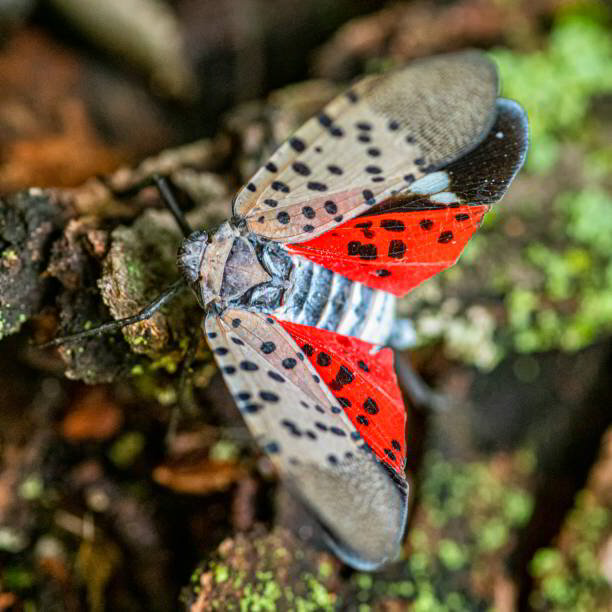
The spotted lanternfly (Lycorma delicatula) is an invasive pest originally from Asia and is now considered a rapidly growing concern across the United States, especially in heavily impacted areas like New Jersey. With their vibrant, spotted wings and distinctive coloration, these insects are easy to recognize, making proper spotted lanternfly identification essential for early intervention. Property owners often rely on Residential Pest Control or Commercial Pest Control services when first noticing activity, ensuring prompt action before severe damage occurs.
These invasive pests pose a major risk to agriculture and native ecosystems as they aggressively feed on fruit trees, ornamental plants, and hardwood species, quickly becoming a top-priority spotted lanternfly pest in NJ. Their expanding presence increases the need for pest control New Jersey programs that emphasize rapid response, emergency pest services, and eco-friendly pest solutions to protect vulnerable landscapes and maintain environmental balance.
Are Spotted Lanternflies Dangerous?
Yes, these pests are a growing concern due to the extensive spotted lanternfly damage they inflict on agricultural and natural environments. By feeding on the sap of countless plant species, they weaken their hosts over time, often causing significant decline or even death. Their impact has increased the demand for pest control New Jersey programs that integrate eco-friendly pest solutions for long-term protection.
This invasive insect poses a serious threat to crops and trees, including vineyards, fruit orchards, and ornamental plants. As a result, proactive spotted lanternfly control supported by Residential Pest Control, Commercial Pest Control, and rapid-response emergency pest services has become essential in all affected areas.
Why do I have a Spotted Lanternfly Problem?
These pests often appear as a result of a spotted lanternfly infestation spreading through unintentional means, such as hitching rides on vehicles, trailers, shipping crates, or outdoor furniture. Once introduced into a new area, they reproduce rapidly, allowing their population to grow at an alarming rate. This increase has strengthened the need for pest control New Jersey programs that incorporate eco-friendly pest solutions and fast-response emergency pest services when activity is detected.
They are especially drawn to specific trees and plants, including the tree-of-heaven, grapes, and maples. If your environment includes these hosts, you may be facing a spotted lanternfly problem in NJ due to ideal breeding and feeding conditions. In these cases, support from Residential Pest Control and Commercial Pest Control services becomes essential to stop further spread and protect vulnerable vegetation.
Where will I Find Spotted Lanternflies?
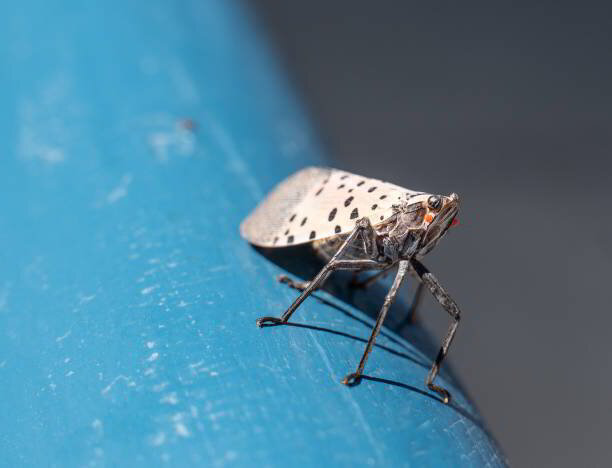
These invasive pests typically gather on tree trunks, branches, and plant surfaces, especially during feeding periods. Common spotted lanternfly habitats include fruit trees, grapevines, and hardwoods such as maple and walnut, where they feed on sap and leave behind damaging honeydew residue.
In their early nymph stage, spotted lanternflies can also be found crawling on the ground, low shrubs, and garden vegetation, making spotted lanternfly on trees and plants a clear indicator of a potential infestation.
Learn more about Spotted Lanternflies
How do I get rid of Spotted Lanternflies?
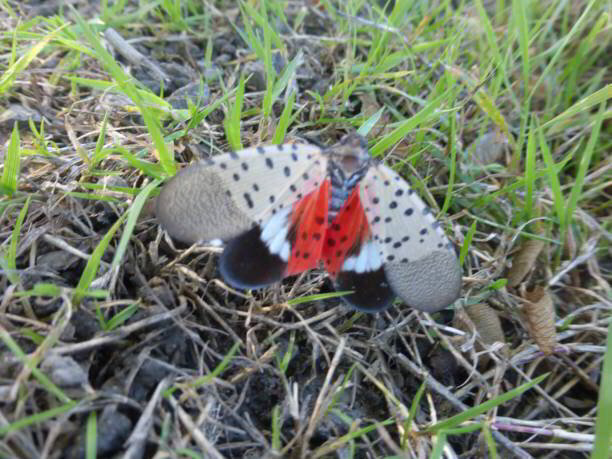
Effective control requires a mix of hands-on methods and strategic chemical treatments. Homeowners can start by scraping off egg masses, trapping and removing nymphs and adults, and applying targeted insecticides to vulnerable plants.
For widespread or persistent infestations, it’s best to call in expert spotted lanternfly removal services. Our team offers proven spotted lanternfly treatment in NJ, ensuring complete control and helping protect your property from long-term damage.
Learn more about Residential Control
Spotted Lanternfly Behavior and Adaptation
Spotted lanternfly behavior plays a major role in their rapid spread across affected regions like New Jersey. These invasive insects feed heavily on plant sap, particularly from the tree of heaven, and show a strong preference for a wide range of hosts including fruit trees and hardwoods. Their ability to leap great distances and their adaptable spotted lanternfly egg laying habits often depositing eggs on outdoor furniture, vehicles, and tree bark allow them to travel undetected and colonize new areas quickly. This adaptability, combined with their broad diet and mobility, contributes significantly to spotted lanternfly spreading in NJ, making early detection and removal essential.
Lifecycle and Reproduction
The spotted lanternfly impact on agriculture and forests is severe, as these invasive pests feed on sap from fruit trees, hardwoods, and ornamental plants causing stress, reduced yields, and tree damage. This ecosystem disruption threatens both crops and natural habitats. Fortunately, growing attention from natural predators of spotted lanternflies may aid future population control.
Spotted Lanternflies and Their Role in Ecosystems
The spotted lanternfly impact on agriculture is alarming, as these invasive pests feed on sap from fruit trees and hardwoods, causing plant stress and reduced crop yields. This widespread ecosystem damage harms both natural forests and commercial farms. Fortunately, emerging natural predators of spotted lanternflies may help control their growing populations over time.
Managing Spotted Lanternfly Populations
Managing spotted lanternfly populations requires proactive efforts like removing egg masses, using spotted lanternfly traps to catch nymphs and adults, and treating infested trees with targeted insecticides. Public reporting is vital for monitoring outbreaks and slowing their spread. Ongoing research into biological controls and habitat management supports long-term spotted lanternfly control in NJ and beyond.
Spotted Lanternflies are an invasive species that pose a serious threat to trees, plants, and crops, causing substantial damage to the environment and local economy. At Amco Pest Solutions , we specialize in controlling and eliminating Spotted Lanternfly infestations, using advanced techniques and eco-friendly treatments. Our skilled technicians thoroughly assess your property to identify infestation hotspots and quickly take action to prevent further damage. With our proactive pest control services, you can protect your landscape, safeguard your plants, and maintain a healthy environment. We’re committed to providing reliable, professional pest management that’s tailored to your specific needs, ensuring peace of mind and long-term results. Trust Amco Pest Solutions for all your pest control needs.
How can I prevent spotted lanternflies in the future?
Inspect Outdoor Items
To effectively prevent spotted lanternfly infestation, regularly check outdoor furniture, firewood, vehicles, and garden equipment for egg masses. These pests often lay eggs on flat, smooth surfaces. Early spotted lanternfly egg removal stops nymphs from hatching and spreading throughout your property.
Tree Banding
Use sticky tree bands for spotted lanternflies by wrapping tape or adhesive bands around tree trunks. This method traps nymphs as they crawl upward, offering a simple yet powerful barrier that helps reduce their population during the early stages of development.
Chemical Treatments
Treat vulnerable trees and shrubs with targeted insecticides known to deter lanternflies. For the best results and safety, rely on licensed professionals offering spotted lanternfly treatment in NJ, or contact your local extension service for proper product guidance.
Early Detection and Reporting
Stay updated on regional infestations. If you spot any life stage of the pest egg, nymph, or adult report the sighting immediately to your local agricultural authority. Early detection supports faster response and effective spotted lanternfly control efforts.
Tree-of-Heaven Removal
The invasive Tree-of-Heaven (Ailanthus altissima) is a known magnet for lanternflies. Removing this tree from your property eliminates a major food source and breeding site, aiding long-term spotted lanternfly prevention in residential areas.
Community Engagement
Support local and regional initiatives for community-based spotted lanternfly control. Collaborating with neighbors, municipalities, and environmental agencies helps strengthen monitoring programs, encourage timely egg mass reporting, and expand prevention strategies across multiple properties.
Discover More Pests & Rodents Below!
Spotting the Invaders: Understanding Spotted Lanternflies
In this concise video, unravel the mystery behind spotted lanternflies. Explore their distinctive appearance, behaviors, and the threat they pose to vegetation. Get quick tips on identification and learn about effective solutions to safeguard your surroundings from these invasive pests. Watch now for rapid insights into dealing with spotted lanternflies with Amco Pest Solutions!
Learn more about Spotted Lanternflies