Understanding Weevils: Identification, Control, and Prevention Techniques
Explore and learn about the ecology, diversity, and mystery of weevils
Our certified pest control experts deliver targeted weevil infestation solutions, helping protect your pantry, stored grains, and agricultural crops from these destructive and persistent pests.
Dealing with Weevils? Click for Expert Help
Weevils commonly invade pantries by hitching a ride on already infested grains, rice, or flour brought in from stores. Attracted to stored food products, these pests multiply quickly in warm, dry storage areas, making early detection and proper containment essential to avoid a full-blown weevil infestation.
To prevent weevil infestations, it’s essential to routinely inspect pantry goods, use airtight storage containers for grains and dry foods, and maintain a clean, crumb-free environment that discourages pest activity.
Prevention Tips
What are Weevils and Why Are They a Threat?
Weevils (Curculionidae) are pests notorious for damaging stored food such as rice, flour, and grains. They pose significant threats to pantries and agricultural yields, making early detection and effective control essential. These pests often target specific grains such as rice, wheat, or corn making them a major threat to both pantry items and farm yields. Female weevils bore into individual grains using their snouts to deposit eggs inside. Once hatched, the larvae consume the grain from within, leaving behind hollow, unusable kernels. This internal feeding behavior makes early weevil infestations hard to detect and especially destructive if untreated.
Are Weevils Dangerous?
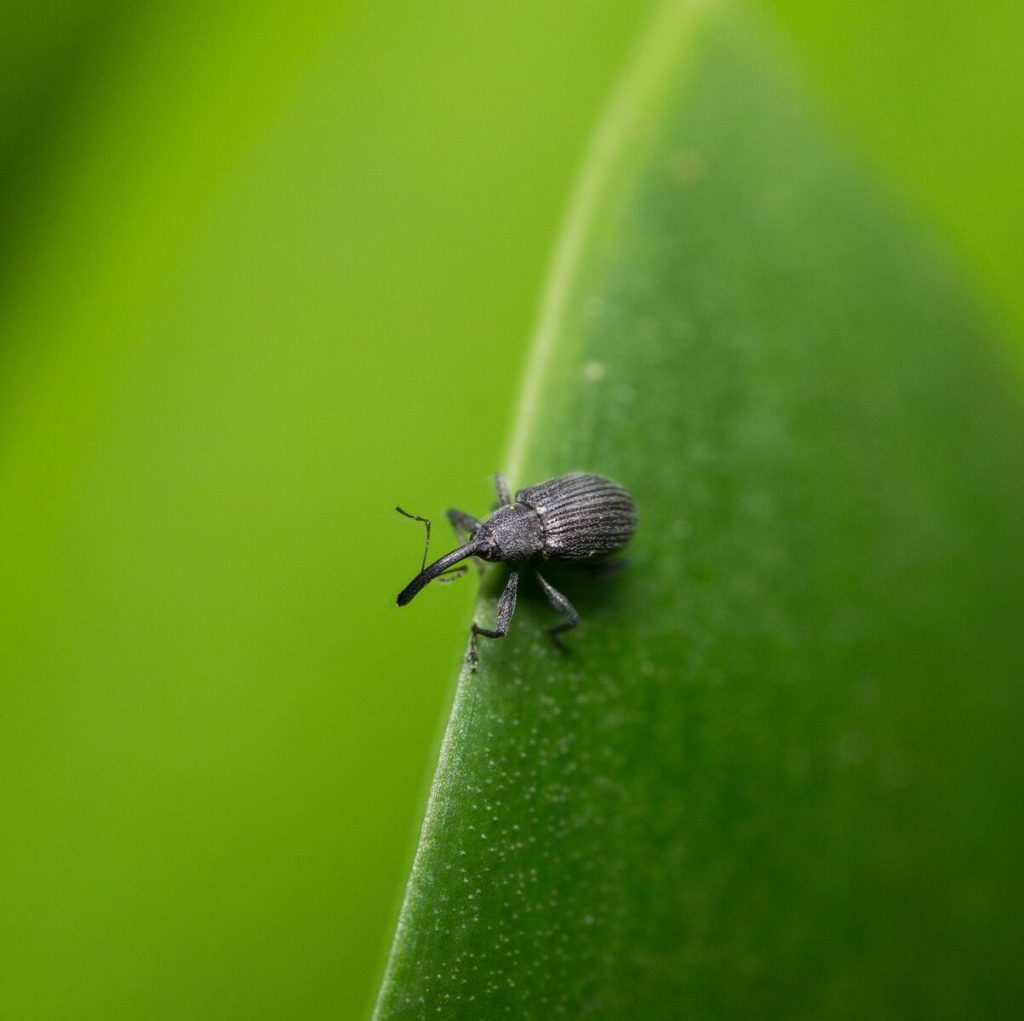
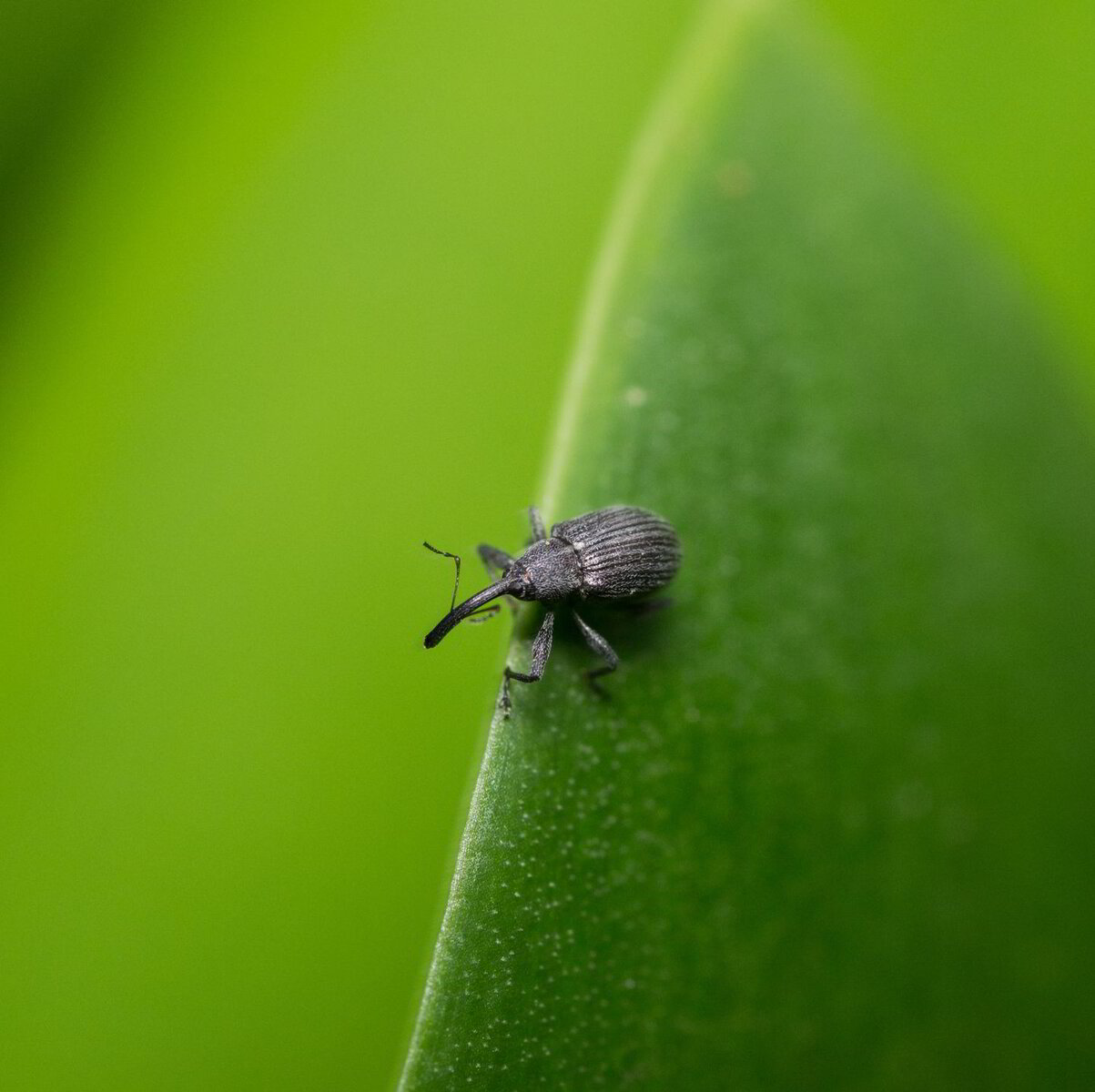
Weevils are small beetles from the Curculionidae family, easily identified by their elongated snouts and well-known for damaging stored food and agricultural crops. These pests often target specific grains such as rice, wheat, or corn, making them a major threat to both pantry items and farm yields. Female weevils bore into individual grains using their snouts to deposit eggs inside. Once hatched, the larvae consume the grain from within, leaving behind hollow, unusable kernels. This internal feeding behavior makes early weevil infestations difficult to detect and extremely destructive without timely intervention from pest control New Jersey professionals who offer rapid solutions, including specialized treatments alongside bed bug control and fast-response emergency pest services.
Why Do I Have a Weevil Problem?
Weevil infestations typically begin when contaminated food items such as rice, flour, or whole grains are unknowingly brought into the home. In some cases, these pests may also migrate indoors through tiny cracks and openings while searching for food. Once inside, weevils identify an accessible food source and begin laying eggs, triggering a rapid population increase. Pantries and kitchens offer ideal conditions for them to thrive, especially in warm environments with poorly sealed containers. Because weevils are strongly attracted to dry goods like grains, cereals, and baking products, effective storage and frequent inspections are essential. If you notice weevils in your stored food, it may indicate an active infestation and the need for improved pantry practices as well as possible assistance from pest control New Jersey specialists. Many homeowners seek professional support through services like bed bug control and fast-response emergency pest services to ensure a more comprehensive approach to protecting their homes from invasive pests.
Where Will I Find Weevils?
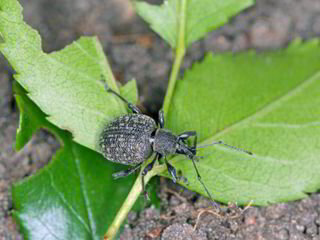
Weevils are frequently discovered in pantries, kitchen cabinets, and any location where dry food products are stored. These pests are known to infest a wide range of items, including grains, cereals, rice, beans, nuts, and other pantry staples. Outdoors, weevils are often found in gardens and agricultural fields, especially near crops that align with their feeding preferences. Common signs of a weevil problem include the presence of adult insects, small larvae within food containers, or visible damage such as hollowed-out grains and powdery residue. Early detection is key to preventing the spread of a weevil infestation in your home or storage facility.
Learn more about Our Control Options
Effective Ways to Get Rid of Weevils: Tips from Experts
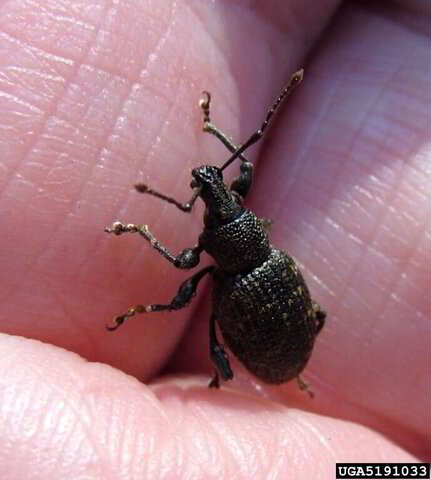
Getting rid of pantry weevils involves a multi-step process that includes deep cleaning, proper food storage, and in some cases, chemical intervention. If you’re wondering how to get rid of pantry weevils or need grain weevil control, the first step is to throw away all infested food items such as rice, flour, and cereals. Next, thoroughly clean pantry shelves and storage bins to eliminate weevil eggs and larvae. Use airtight containers to protect dry goods and prevent re-infestation. For persistent or large-scale weevil problems, AMCO Pest Solutions offers expert weevil extermination and stored product pest control services tailored to your needs, including rice weevil treatment and long-term prevention plans.
Learn more about Residential Control
Weevil Behavior and Adaptation
Weevils have developed specialized traits that make them exceptionally well-suited to survive in stored food environments. Their distinctive long snouts allow them to bore into grains, rice, and seeds to lay eggs directly inside the food source, giving their larvae immediate access to nutrition upon hatching. This behavior is a key reason why grain weevil infestations often go unnoticed until serious damage is done. Over time, different weevil species have evolved preferences for specific dry goods, such as rice, flour, corn, or beans. This dietary specialization has led to a wide variety of weevils each capable of infesting unique food products and exploiting specific ecological niches within pantries, kitchens, and agricultural storage areas. Understanding these habits is essential for effective weevil pest control and prevention.
Lifecycle of Weevils
The weevil life cycle consists of four distinct stages: egg, larva, pupa, and adult. Female weevils deposit their eggs inside grains, seeds, or dry food items, providing an immediate food source for the emerging weevil larvae. Once hatched, the larvae remain hidden within the grain, feeding and growing until they enter the pupal stage. This development typically occurs entirely inside the food product, making early detection difficult. The full life cycle can vary depending on the weevil species and surrounding conditions such as temperature and humidity. However, in warm, food-rich environments like pantries or grain storage facilities, weevils can produce multiple generations per year. This rapid reproductive cycle significantly increases the risk of grain pest infestations and highlights the importance of proactive stored product pest control.
Weevils and Their Role in Ecosystems
Although commonly regarded as destructive pests in agricultural and stored food settings, weevils also serve important functions in natural ecosystems. Their behavior contributes to the decomposition of organic plant matter, playing a key role in nutrient recycling and soil health. Weevils are also a food source for birds, reptiles, and other beneficial predators, making them an integral part of the ecological food chain. Recognizing the ecological role of weevils not only broadens our understanding of these insects but also informs more sustainable weevil population management strategies. By balancing natural pest control with effective grain pest management, it becomes possible to protect food supplies without disrupting broader environmental systems.
Managing Weevil Populations
Successful weevil control in both residential and agricultural environments relies on a combination of proactive prevention and targeted intervention. Key preventive strategies include proper food storage using airtight containers, routine inspection of dry goods, and keeping storage spaces clean and free of debris that could attract pests. In agricultural settings, biological control methods such as introducing natural predators can aid in reducing weevil populations without relying solely on chemicals. For persistent or large-scale infestations, professional pest control services provide expert assessment and customized weevil infestation treatment. At AMCO Pest Solutions, we specialize in effective stored product pest management tailored to both home pantries and commercial grain storage facilities.
Weevils may be tiny, but their impact on your pantry and food supply can be enormous. At Amco Pest Solutions, we specialize in comprehensive weevil control services designed to protect your home or business from these invasive pantry pests. Our trained professionals use safe, eco-friendly methods to eliminate weevils at every stage from eggs to adults and stop infestations before they spread. Whether you’re dealing with rice weevils, grain beetles, or other stored product pests, we’ll pinpoint the source, treat all affected areas, and implement long-term prevention strategies to ensure lasting protection. With Amco Pest Solutions, you can expect fast, professional, and dependable service available 24/7. Let us help you restore your pantry and defend your property from destructive weevil infestations today.
How Can I Prevent Weevils in the Future?
Store Food in Airtight Containers
To prevent pantry pests like weevils, transfer dry goods such as flour, rice, pasta, and grains into airtight containers as soon as you bring them home. Sealed food storage not only keeps new infestations out but also helps contain any hidden weevil eggs or larvae that may have arrived with the packaging.
Inspect Food Products
Always inspect packaging for holes, tears, or signs of damage before purchasing dry goods like flour, rice, or grains. Even the smallest opening can serve as an entry point for weevils, making early detection a crucial step in effective pantry pest prevention.
Maintain Cleanliness in Storage Areas
Keep your pantry, kitchen cabinets, and food storage areas clean by regularly wiping down shelves and removing crumbs or food residues. Maintaining a hygienic environment is a key element of effective weevil prevention and helps deter other common pantry pests from invading your home.
Use Bay Leaves
Add a few bay leaves to containers of flour, rice, and other dry pantry staples as a natural weevil deterrent. The strong scent of bay leaves helps repel weevils and can protect your stored grains and dry goods from infestation without using chemicals.
Regularly Check Expiration Dates
Old or expired dry goods are more prone to weevil infestations and should be removed promptly. Regularly rotate your pantry stock and check expiration dates to ensure older items are used first, preventing stale food from becoming a breeding ground for weevils and other pantry pests.
Freeze Susceptible Food Items
To prevent weevil infestations before they begin, freeze dry goods such as flour, rice, and grains for at least 48 hours immediately after purchase. This simple step effectively kills any hidden weevil eggs or larvae and adds an extra layer of protection to your pantry storage strategy.
Discover More Pests & Rodents Below!
Beyond the Pantry: Unraveling the World of Weevils
The study of weevils extends beyond their role as pests, revealing fascinating aspects of their behavior, adaptation, and ecological significance. By understanding the diverse species of weevils and their interactions with their environment, we can appreciate their place in the natural world. This knowledge not only aids in effective pest management strategies but also highlights the importance of maintaining ecological balance and biodiversity.
Learn more about Our Control Options