Discover The World Of Skunks
Explore and learn about the ecology, diversity, and mystery of Skunks
At Amco Pest Solutions, we use humane skunk removal methods that prioritize both animal welfare and the safety of your home or business environment. Our trained professionals ensure that every skunk control service is handled with care, minimizing stress to the animal while protecting your property.
Skunk Encounters? Click Here
By understanding common skunk behaviors and nesting patterns, we can identify the underlying causes of their presence and implement targeted solutions. This highlights the importance of relying on professional skunk removal services for lasting results.
Effective skunk prevention starts with simple yet strategic steps, such as eliminating food sources, sealing crawlspaces, and removing clutter or debris that may offer shelter. These actions make your property far less appealing and help prevent skunks from returning.
Prevention Tips
What are skunks?
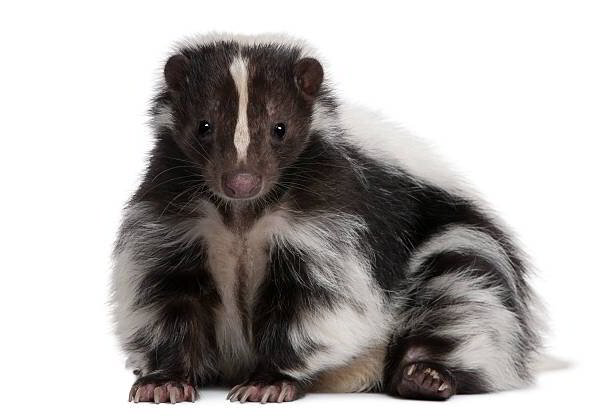
Skunks are easily recognized by their distinctive black-and-white fur patterns and are best known for their powerful spray defense mechanism, which they use when feeling threatened. As nocturnal wildlife pests, skunks are most active at night and use their sharp claws to dig for food like insects, grubs, and small rodents. Typically solitary animals, they only come together during mating season, after which females give birth to litters of four to seven kits. While their odor is notorious, skunks also play a beneficial role in natural pest control and serve as prey for larger predators. Understanding skunk behavior and habitat preferences is key to effective skunk control and removal strategies.
Are skunks dangerous?
Although skunks typically avoid confrontation, they rely on their infamous spray odor defense mechanism when they feel threatened. This strong-smelling spray can cause temporary irritation and leave behind a persistent, unpleasant scent on people, pets, or property.
Why do I have a skunk problem?
Skunks are often drawn to residential areas while seeking shelter or food. Common skunk attractants include insects, small mammals, pet food, and unsecured garbage. They may also burrow under decks, porches, or sheds to create nesting sites. Understanding what attracts skunks to your property is essential for effective prevention and humane skunk control near homes and businesses.
Where will I find skunks?
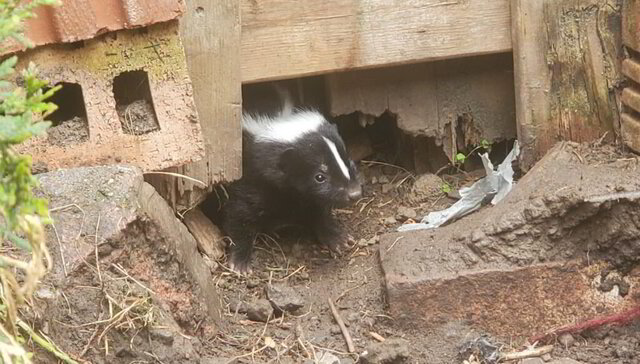
Skunks are drawn to dark, quiet hiding spots that provide shelter and safety, making areas beneath porches, decks, and sheds ideal habitats. Around residential properties, they are commonly found rummaging for food in gardens, compost piles, and unsecured trash bins. These easily accessible locations offer both nourishment and cover, increasing the likelihood of skunk activity near homes. Understanding where skunks live and feed is essential for identifying problem areas and taking proactive steps toward effective skunk prevention and control.
CLICK TO LEARN MORE

How do I get rid of skunks?
Effective skunk control requires a combination of proactive strategies. Key steps include securing entry points, removing food sources and shelter areas that attract skunks, and applying safe, proven skunk deterrents. For long-term success, it’s also essential to consult with a professional. At Amco Pest Solutions, our team provides expert guidance and humane skunk removal services, helping you protect your property with reliable, eco-friendly solutions. These comprehensive skunk prevention tips can significantly reduce the chances of future infestations and keep your home skunk-free.
CLICK TO LEARN MORE
Skunk Behavior and Adaptation
Skunks are known for their unique spray defense mechanism, which is released from specialized scent glands to repel predators with a strong, long-lasting odor. As nocturnal animals, skunks increase their chances of survival by being most active at night, helping them avoid larger daytime predators. Their omnivorous diet which includes insects, small rodents, fruits, and plants allows them to adapt easily to changing environments while also playing a role in natural pest control. Skunks rely heavily on their acute sense of smell and hearing to locate prey, and their bold black-and-white coloration helps them remain noticeable to potential predators, signaling their ability to defend themselves effectively.
Lifecycle and Reproduction of Skunks
Skunk breeding season typically occurs in late winter, with females giving birth to litters of kits during the spring after a short gestation period. The young are raised in well-hidden skunk dens, where they are nurtured and gradually taught essential survival skills, such as foraging for food. Before becoming fully independent, the kits remain under the mother’s care for several weeks. Understanding the skunk reproduction cycle can help homeowners anticipate activity around their property and take preventive steps to avoid nesting in or around structures.
Skunks and Their Role in Ecosystems
Skunks play an important role in maintaining ecological balance by serving as a form of natural pest control. Their diet includes a variety of insects and rodents, helping to reduce populations that can damage gardens or spread disease. Additionally, their instinctive digging behavior not only assists in locating food but also contributes to soil aeration, which promotes healthier plant growth. Despite their reputation, skunks provide subtle yet valuable benefits to the environment.
Minimizing Conflicts with Skunks
Preventing skunk problems starts with simple steps like securing trash bins, eliminating outdoor food sources, and sealing potential entry points to sheds, crawlspaces, and under porches. These actions help skunk-proof your home and reduce the likelihood of encounters. By gaining a better understanding of skunk behavior and adopting a mindset of coexistence, homeowners can minimize risks while appreciating the role these often misunderstood animals play in the ecosystem. Practicing humane skunk prevention fosters a safer, more respectful approach to living with skunks.
Skunksmay be a cute sight from a distance, but they can cause damage to your property and pose health risks. At Amco Pest Solutions , we provide expert skunk removal services to keep your home and business safe. Our experienced team uses humane and efficient methods to remove skunks from your property and prevent them from returning. Whether you’re dealing with skunks digging up your lawn, creating nests under your porch, or emitting unpleasant odors, we have the tools and expertise to handle it. Trust Amco Pest Solutions for fast, safe, and effective skunk control—contact us today for reliable wildlife management!
How can I prevent skunk Encounters in the future?
Sealing Entry Points
To effectively keep skunks out of unwanted areas, it’s important to use durable exclusion materials such as heavy-gauge wire mesh, hardware cloth, or metal flashing. These materials can be used to seal off access points around decks, sheds, porches, and crawlspaces, preventing skunks from nesting or taking shelter beneath structures. This proactive approach to skunk exclusion is a key part of wildlife-proofing your property, reducing the chances of future encounters and minimizing skunk activity around your home.
Remove Attractants
To effectively deter skunks from your property, it’s essential to reduce attractants that may lure them in. Always keep garbage cans tightly sealed, avoid leaving pet food outdoors especially overnight and maintain a clean, clutter-free yard. These simple but effective skunk prevention tips help eliminate food sources and shelter options, making your home less appealing to wildlife. By taking these proactive measures, you can significantly reduce skunk activity and protect your property from unwanted visits.
Light and Noise Deterrents
Using motion-activated skunk deterrents, such as lights or sound-emitting devices, is an effective way to discourage skunks from approaching your property. These light and noise-based deterrents startle skunks and make the environment feel unsafe, encouraging them to seek shelter elsewhere. Installing these devices near known skunk nesting areas, like under decks or sheds, can help prevent skunks from establishing dens and provide a humane method of skunk control near your home.
Habitat Modification
Skunk habitat modification is a key prevention strategy for keeping these animals away from your home. Start by blocking access to potential den sites, such as spaces beneath porches, decks, and sheds. Remove yard debris, woodpiles, and clutter that could offer cover, and seal any openings that skunks might use for shelter. These steps not only discourage nesting but also serve as effective, long-term solutions for preventing skunks from denning near your property and help with overall skunk-proofing your home.
Professional Assistance
For safe and effective results, it’s best to consult with wildlife removal experts who specialize in humane skunk control services. Professional technicians are trained to assess your property, identify risk areas, and implement customized solutions that prioritize both safety and animal welfare. By relying on professional skunk removal, you ensure ethical, property-specific management that addresses current activity and prevents future intrusions giving you peace of mind and long-term protection.
Regular Property Checks
Performing regular property inspections for skunk activity is essential to early detection and long-term prevention. Check for common signs such as burrows, droppings, tracks, or overturned soil, and address potential vulnerabilities like open crawlspaces, food sources, or cluttered yard areas. By staying proactive with routine skunk prevention, you can reduce the risk of a prolonged infestation and maintain effective, ongoing skunk control around your home.
Discover More Pests & Rodents Below!
Unveiling the World of Skunks: Understanding Species, Risks, and Effective Control
Address skunk intrusions effectively with Amco Pest Solutions! Our educational video explores skunk identification, understanding their behavior, and executing safe and humane control methods. Equip yourself with essential knowledge to prevent these notorious creatures from causing odor problems and disturbances on your property. Eager for a skunk-free environment? Watch our video now for vital strategies and start your journey towards a secure, odor-free, and peaceful home.
Learn more about Skunks Control