Expert Wasp Control Solutions in New Jersey
Explore and learn about the ecology, diversity, and mystery of Wasps
Explore professional wasp control solutions designed to eliminate stinging insect threats while prioritizing effective and environmentally responsible methods. Our team specializes in safe wasp nest removal and long-term prevention to keep your property protected.
Experiencing Wasp Problems? Click for Expert Help
Within our pest library, you’ll find detailed insights into different wasp species, their nesting habits, and why it’s important to address wasp activity safely and promptly. Understanding wasp behaviors is vital, as they pose risks to families and properties in New Jersey. Effective management can protect homes from infestations.
Learn how to deter wasps from nesting near your home or business with practical prevention strategies, including habitat modification and routine property maintenance. By combining proactive steps with expert support, you can enjoy a safer, pest-free environment.
Prevention Tips
Understanding Wasp Behavior and Risks
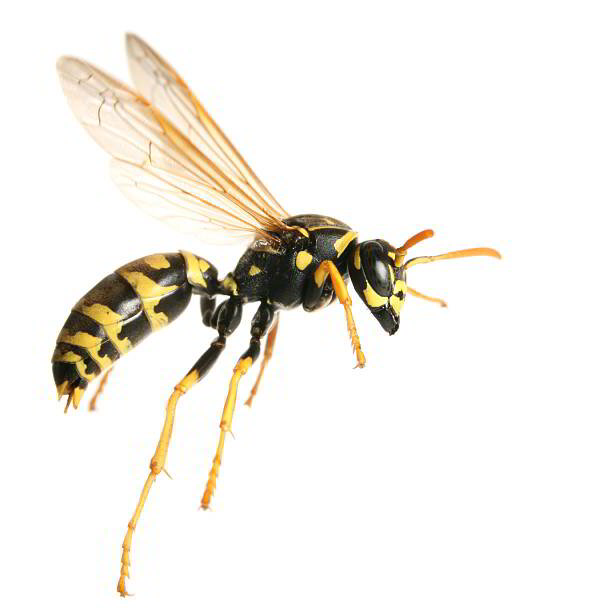
Wasps are fascinating stinging insects, easily recognized by their slender bodies, narrow waists, and bold coloring. While they can be intimidating, wasps serve an important purpose in nature. As natural predators, they help control populations of other insects, including flies, caterpillars, and crop-damaging pests. This makes wasps an essential part of maintaining ecological balance.
By seeking out and eliminating nuisance insects, wasps in New Jersey contribute to healthier gardens, farms, and natural landscapes. Although their presence near homes and businesses can pose risks, these insects are truly a vital component of the environment acting as a natural form of pest control that supports biodiversity and ecosystem health.
Are wasps dangerous?
When wasps feel threatened, they can sting repeatedly, injecting venom that causes sharp pain, swelling, and in some cases, dangerous allergic reactions. Unlike bees, which sting only once, wasps have the ability to strike multiple times, increasing the risk of serious injury. Certain species such as hornets and yellow jackets are known for their heightened aggression, often defending their nests aggressively if disturbed.
Because of these risks, attempting to handle a wasp or hornet nest without proper training can quickly become hazardous. Professional stinging insect control is the safest way to protect your family, pets, and property from painful and potentially life-threatening encounters.
Why do I have a wasp problem?
Wasps are naturally attracted to sweet and sugary substances, which is why uncovered food, sugary drinks, and exposed garbage can quickly draw them to your property. Once nearby, they often search for safe, hidden areas to establish nests. Common nesting sites include attics, wall voids, eaves, sheds, and other sheltered locations around homes and businesses.
Understanding what attracts wasps is the first step in prevention. By keeping trash cans sealed, cleaning up spills promptly, and reducing access to food sources, you can minimize the chances of wasps gathering near your property. Regular inspections of potential nesting sites can also help you stay one step ahead of these stinging pests.
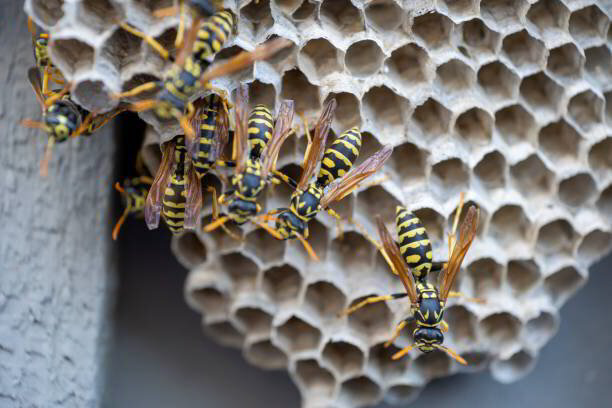
Common Nesting Sites for Wasps in New Jersey
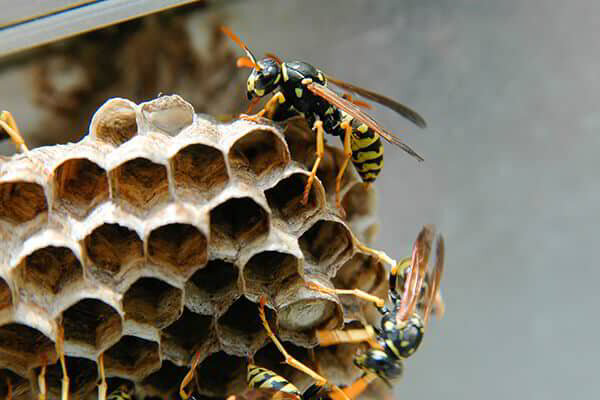
Wasps are highly adaptable insects that often inhabit areas where food and shelter are readily available. Outdoors, they are commonly found around picnic spaces, gardens, and outdoor eating areas where sugary foods or drinks are present. When it comes to nesting, wasps prefer protected locations such as eaves, wall voids, attics, and even underground burrows.
Their nests are usually made of a papery material, created by chewing wood fibers and mixing them with saliva. These paper-like wasp nests can appear in trees, sheds, crawl spaces, and other concealed areas. Recognizing where wasps are likely to build their colonies is an important step in early detection and effective wasp control.
CLICK TO LEARN MORE

How do I get rid of wasps?
When faced with a wasp problem, attempting to remove a nest on your own can be extremely dangerous especially if it’s large or occupied by aggressive species such as hornets or yellow jackets. Wasps can sting multiple times and often swarm to defend their colony, creating serious safety risks.
The safest and most effective solution is to rely on professional wasp control and nest removal services. Licensed pest experts have the training, protective equipment, and proven methods needed to safely eliminate wasps while minimizing the risk of painful stings. By choosing professional help, you not only ensure complete eradication but also reduce the likelihood of future infestations around your home or business.
CLICK TO LEARN MORE
Wasp Anatomy and Diversity
Wasps come in many shapes and sizes, with physical traits that set them apart from other stinging insects. One of their most distinct features is the narrow waist that separates the thorax from the abdomen, giving them their recognizable sleek appearance. Across the globe, there are thousands of different wasp species, each uniquely adapted to specific environments.
Their diversity is reflected not only in their coloring ranging from bold yellows and blacks to metallic blues and reds but also in their feeding and nesting behaviors. Some wasps are solitary hunters, while others form large colonies that build paper-like nests in trees, eaves, or underground burrows. Understanding these variations in wasp identification and nesting habits is key to managing infestations safely and effectively.
The Lifecycle of a Wasp
The wasp lifecycle progresses through several stages of metamorphosis, beginning as eggs and developing into larvae that grow inside the nest. Over time, these larvae transform into pupae before emerging as fully formed adults. In social species, such as yellow jackets and hornets, colonies are led by a queen who oversees egg-laying, while worker wasps maintain the nest and care for developing young. This structured process allows colonies to thrive and expand throughout the season.
Wasps in the Ecosystem
Although often viewed as a nuisance, wasps play a vital role in ecosystems. As natural predators, they help control pest insect populations, reducing threats to crops, gardens, and landscapes. In addition to predation, certain wasp species act as pollinators, transferring pollen between plants and supporting biodiversity. Their dual role as both predators and pollinators highlights their importance in maintaining ecological balance.
Conservation of Wasps
While wasps may not be as widely appreciated as bees, they perform essential functions that benefit the environment. Wasp conservation efforts aim to protect their habitats, promote understanding of their ecological importance, and encourage coexistence. By preserving wasp populations, we ensure the continuation of natural pest control and pollination services that support healthy ecosystems.
Wasps can be a major nuisance when they decide to nest near your home or business. At Amco Pest Solutions , we specialize in the safe and effective removal of wasps and their nests. Wasps can be aggressive and pose a danger to both people and pets, so it’s essential to address an infestation promptly. Our team of experts uses eco-friendly, effective methods to eliminate wasps and prevent them from returning. Whether you need to remove an existing nest or protect your property from future infestations, Amco Pest Solutions is here to provide fast, reliable, and professional pest control solutions. Trust us to handle your wasp problem safely and efficiently, giving you peace of mind.
How can I prevent wasps in the future?
Cover Food and Drinks
One of the simplest ways to prevent wasps from gathering outdoors is to cover food and beverages during picnics or cookouts. Use tightly sealed containers or transparent covers so you can easily monitor items while reducing attraction.
Garbage Management
Wasps are drawn to strong odors, especially food waste. Keep garbage bins tightly sealed, empty them regularly, and rinse containers before disposal to eliminate lingering scents. This simple step helps reduce wasp activity around waste areas.
Remove Nests Safely
Never attempt DIY nest removal, as wasps may become aggressive when threatened. Always enlist professional wasp control services for safe and effective nest removal, minimizing the risk of stings and property damage.
Landscaping Practices
Overgrown shrubs, trees, and vegetation provide excellent nesting sites for wasps. Maintain a tidy landscape by trimming plants and keeping yards clear, making your property less appealing to stinging insects.
Seal Entry Points
Inspect your home’s exterior regularly and seal entry points such as cracks around doors, windows, vents, and eaves. Using caulk or weather stripping helps block wasps from sneaking indoors.
Professional Inspection
Scheduling routine pest control inspections is one of the most reliable ways to prevent infestations. Trained technicians can detect early signs of wasp activity and provide fast, safe nest removal before problems escalate.
Discover More Pests & Rodents Below!
Unveiling the World of Wasps: Understanding Species, Risks, and Effective Control
Learn effective ways to tackle wasp problems with Amco Pest Solutions! Whether facing aggressive wasps outdoors or dealing with nests near your home, gain thorough insights into wasp identification, preventative steps, and successful removal techniques. Arm yourself with the knowledge to deter these stinging insects and protect your space. Ready for a wasp-free environment? Watch the video now for more information.
Learn more about Wasps Control